
1- Describe your company.
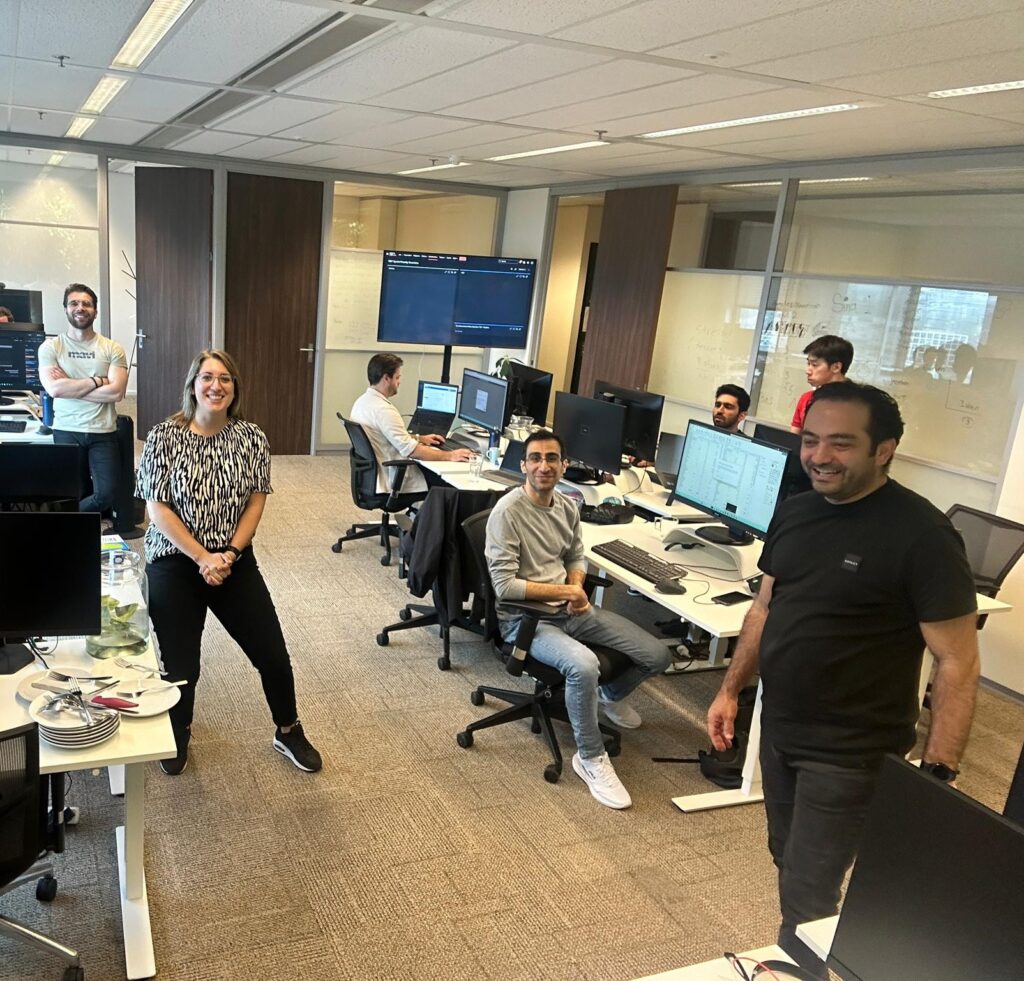
The Data Cooks B.V. (TDC) is a Netherlands-based SME specializing in Big Data analytics, Artificial Intelligence, and IoT-edge solutions for industrial and sustainability-driven applications. The company develops AIoT platforms that combine real-time data processing, predictive analytics, and interoperable Digital Product Passport (DPP) infrastructures to support traceability, optimization, and carbon footprint management across complex value chains. TDC has delivered solutions for global clients such as Tommy Hilfiger, Karl Lagerfeld, and Triumph, and actively participates in European innovation programs including AEROS, COROB, Target-X, WASABI, and CIRCULOOS. Through its expertise in generative AI, distributed systems, and edge–cloud architectures, TDC focuses on transforming operational data into actionable insights that improve efficiency, transparency, and sustainability across industries.
2- What challenge are you addressing under the O-CEI Horizon’s first Open Call, and how is your proposal relevant to the challenge?
We are addressing CHALLENGE P5C3: Ledger Tokenization for Incentivization & Added Value, which falls under Pilot 5 (Energetically and environmentally sustainable Halloumi cheese production). Our proposal, BYOM-EDGE, is directly relevant to this challenge because it provides the exact mechanism needed to transform the dairy value chain from a passive monitoring environment into an active, reward-driven sustainability ecosystem. Existing compliance tools track historical data but fail to incentivize immediate behavioral change. BYOM-EDGE solves this by introducing a verifiable, distributed-ledger-based incentive engine that associates digital tokens with verified sustainable actions, perfectly aligning with the challenge requirements.
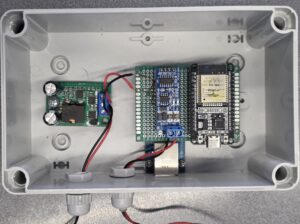
The solution achieves this through a strict, transparent “Measure → Verify → Reward” pipeline: Measure: High-quality IoT data regarding optimal energy use, feeding patterns, transport temperatures, and water standards are collected across farms, logistics, and processing factories. Verify: Before any token is issued, edge computing is used to verify the conditions, reducing cloud computational load as explicitly requested by the challenge. Edge-based, rule-driven cryptographic checks confirm that a physical sustainability action (e.g., reduced CO₂ per unit, improved cooling) actually occurred. Reward: Once validated and signed locally, a distributed ledger automatically mints and issues digital tokens to reward operators, farmers, and transport providers.
Furthermore, our Bring Your Own Model (BYOM) approach allows stakeholders to deploy their own AI models. When an AI recommends an energy optimization and an operator executes it, both earn tokens. This directly answers the challenge’s call to create new economic models and sustainability incentives for all stakeholders.
3- What is the expected impact of your proposal?
The BYOM-EDGE project delivers a multi-dimensional impact across market, environmental, and social spheres by shifting the dairy value chain into an active, reward-driven sustainability ecosystem.
1. Market and Economic Impact
Market Expansion: The solution bridges the rapidly expanding Digital Product Passport (DPP) market (projected to reach USD 10.8 billion by 2035) with the high-growth Blockchain Food Traceability market (expected to reach USD 52.2 billion by 2035)
Collaborative AI Economy: The Bring Your Own Model (BYOM) capability allows stakeholders (e.g., farmers, universities) to deploy AI models and earn tokens when their models drive verifiable improvements, creating a circular innovation marketplace.
Cross-Sector Scalability: Designed as a modular Cloud-Edge-IoT utility, the tokenization engine solves a structural lack of sustainability incentives across broader agrifood, cold-chain logistics, and manufacturing sectors.
2. Environmental Impact
Active CO₂ & Energy Reductions: Instead of passive monitoring, the system rewards verified actions like efficient cooling, optimized feeding, and reduced factory electricity, lowering the footprint per kilogram of dairy.
Waste Prevention: Monitoring farm-to-factory conditions prevents transport spoilage and off-spec batches, directly supporting EU resource-efficiency goals.
3. Social Impact
Digital Democratization: Rewards are based on actions, not organizational scale, ensuring small farms and rural transport providers financially benefit from Europe’s digital and green transition.
Workforce Well-Being: Gen-AI assistants and automated alerts reduce cognitive load, prevent mistakes, and build digital data literacy among operators, improving daily working conditions.
Company website: https://thedatacooks.com/