

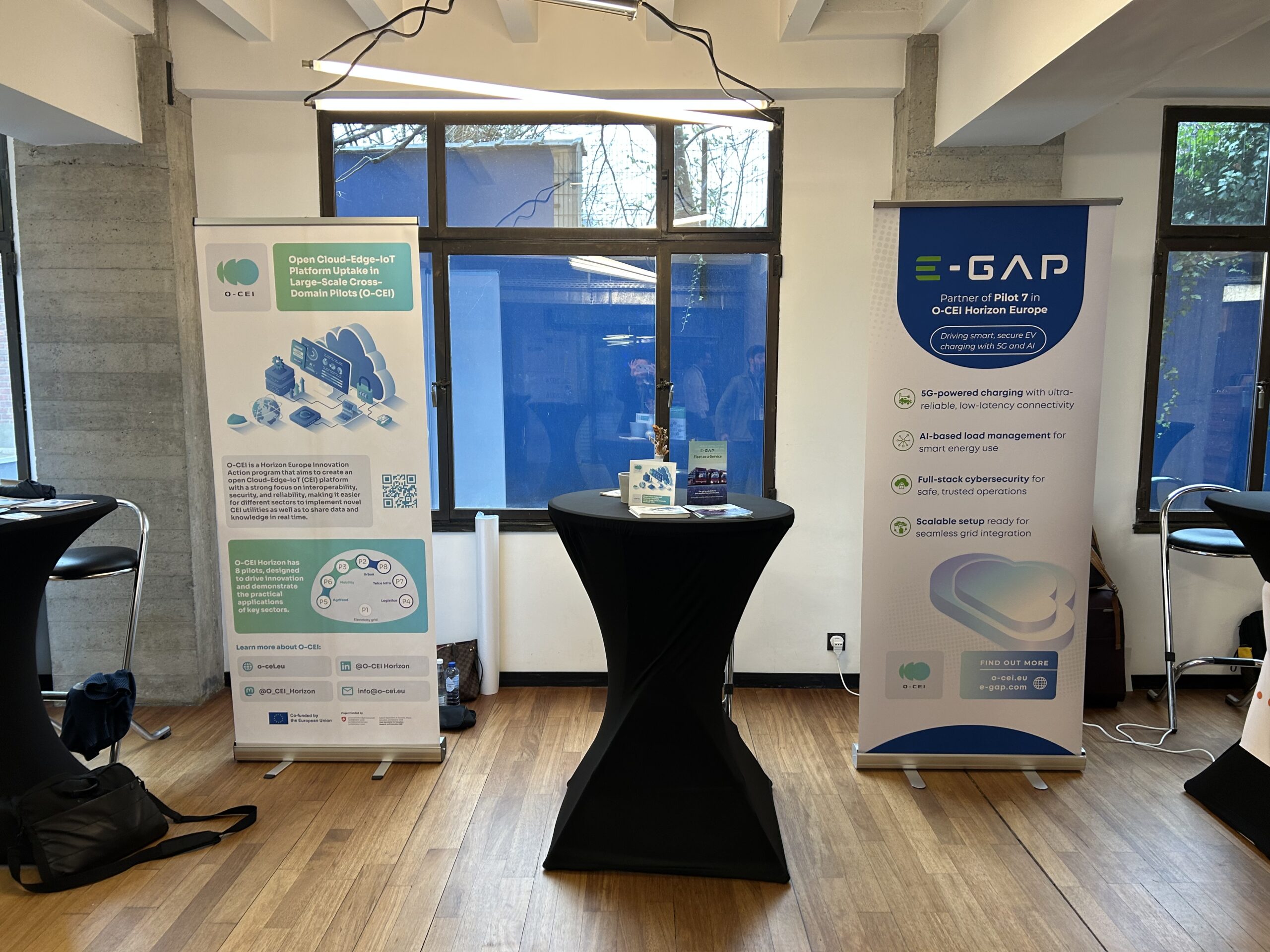
Imagine an electric vehicle (EV) charger that does more than just fill a battery; it acts as an intelligent node in the power grid, communicating instantly, balancing energy flow, and defending itself against cyber threats. This is the cutting-edge vision behind O-CEI Pilot 7 – “Trustworthy and secure EV charging upon reliable 5G networks.”
This pilot is not merely optimizing charging; it’s developing a commercially viable marketplace for high-performance, resilient, and intelligently orchestrated charging systems. Over the past months, the Pilot 7 team has built the foundation for this smart grid revolution, focusing on integrating bidirectional AC/DC chargers, energy storage, and PV infrastructure with robust 5G connectivity. This detailed, standards-driven approach enabled the transition from conceptual design to a full-scale test bench with real operational vehicles, ensuring that the future of mobility is both flexible and fundamentally secure.
Transitioning from Design to Real-World Validation
The initial phase of the pilot saw intensive analysis at a reference charging site in Lombardy, which served as the operational benchmark for unidirectional AC-DC fixed infrastructure. From January to October (M1 to M10), partners dove deep into real load profiles, demand peaks, and grid constraints at this site, enabling them to shape the pilot’s key performance indicators around reducing daily peak demand and alleviating grid strain.
This groundwork prepared the team for a major transition in November (M11) when we proposed to one E-GAP’s partners the possibility of including their actual e-bus fleet in the experimentation phase. This transition from design to real-world engagement means the pilot will move to build a full-scale test bench with real operational vehicles, directly supporting the project’s ambition to create a deployable blueprint validated through commercially relevant use cases.
The Technical Foundation: 5G, V2G, and Cybersecurity
The technical progress has been comprehensive, ensuring the system is robust, interconnected, and secure from the ground up. On the hardware front, E-GAP finalized technical specifications for chargers, battery systems, and PV units, ensuring procurement focuses on components compliant with OCPP 1.6 and 2.0.1, ISO 15118, and CEI standards. This rigorous approach guarantees interoperability and readiness for future V2G capabilities.
Simultaneously, NOVA designed the architecture of the 5G private network for low-latency and high-reliability communication between EV chargers, edge devices, and backend systems. This effort included collaborating with CERTH to identify and procure appropriate edge development boards capable of running cybersecurity and data processing algorithms and integrating 5G modules onto these boards.
Alongside the infrastructure build-out, CERTH was advancing the system’s cyber-resilience. This involved exploring relevant open-source datasets for Open Charge Point Protocol (OCPP) traffic and identifying the need for training new anomaly detection models specifically for application-layer OCPP data, due to its unique feature space. CERTH also conducted a rigorous security and alignment review of common cyberattacks against OCPP to guide model design. These lightweight, edge-based cybersecurity functions (including protocol monitoring and secure logging) are being developed to reinforce system resilience.
The combined architectural efforts by all partners, including ARES2T‘s work on the holistic pilot architecture and energy optimization techniques, will be consolidated during an upcoming physical working session to jointly define the complete communication workflow and security requirements.
Leading the Dialogue on Secure Mobility and V2G
In parallel, Pilot 7 majorly contributed to raising awareness and shaping the technical dialogue around secure, trustworthy charging systems.
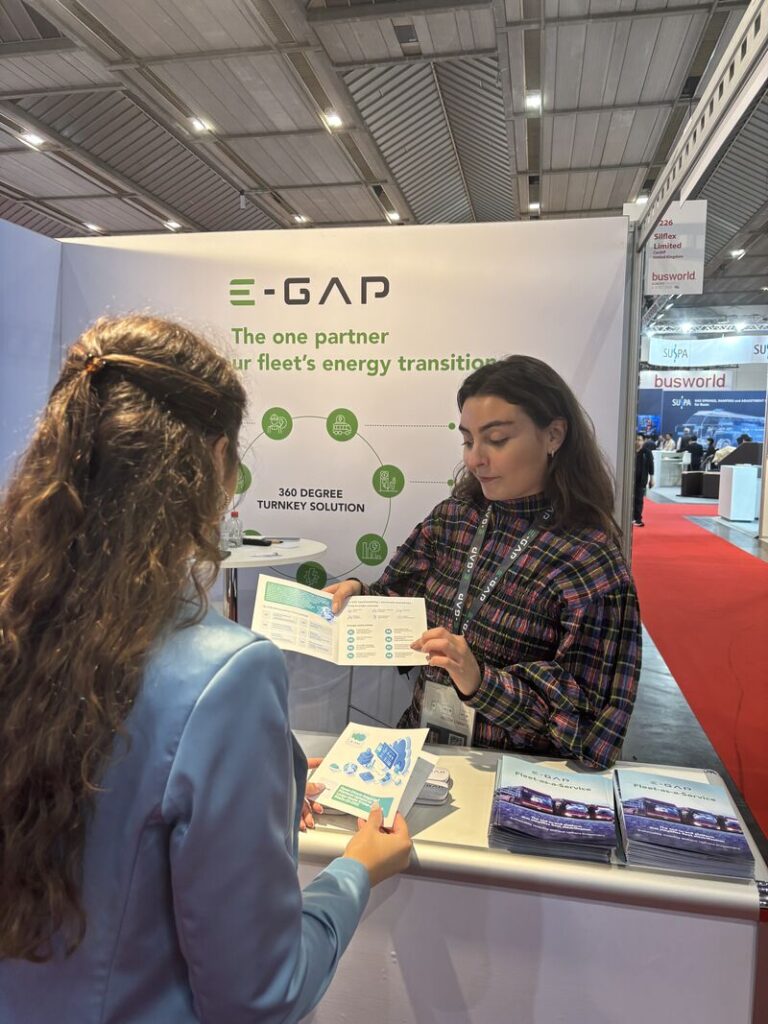
This proactive approach was most visible at Busworld Europe 2025, in October, where E-GAP featured O-CEI’s marketing materials and a specific poster and flyer detailing Pilot 7’s V2G technologies at their dedicated stand.
Further reinforcing its leadership role, Pilot 7 was a key participant in the V2G Leaders Europe event in November, via a dedicated booth and a poster.
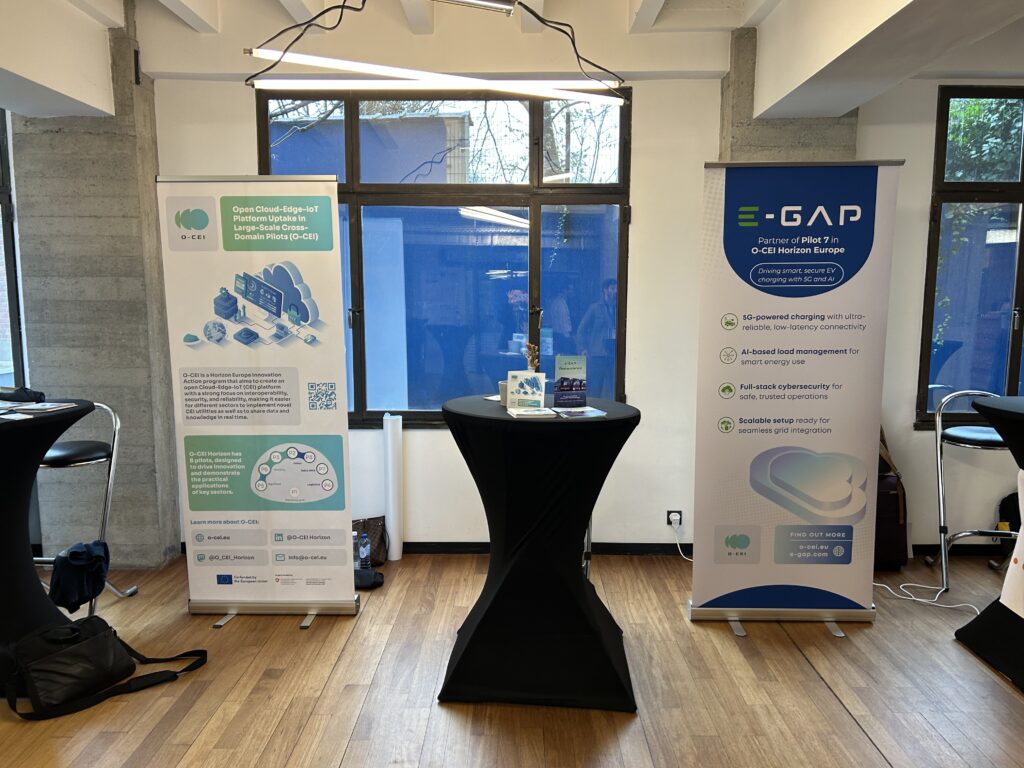
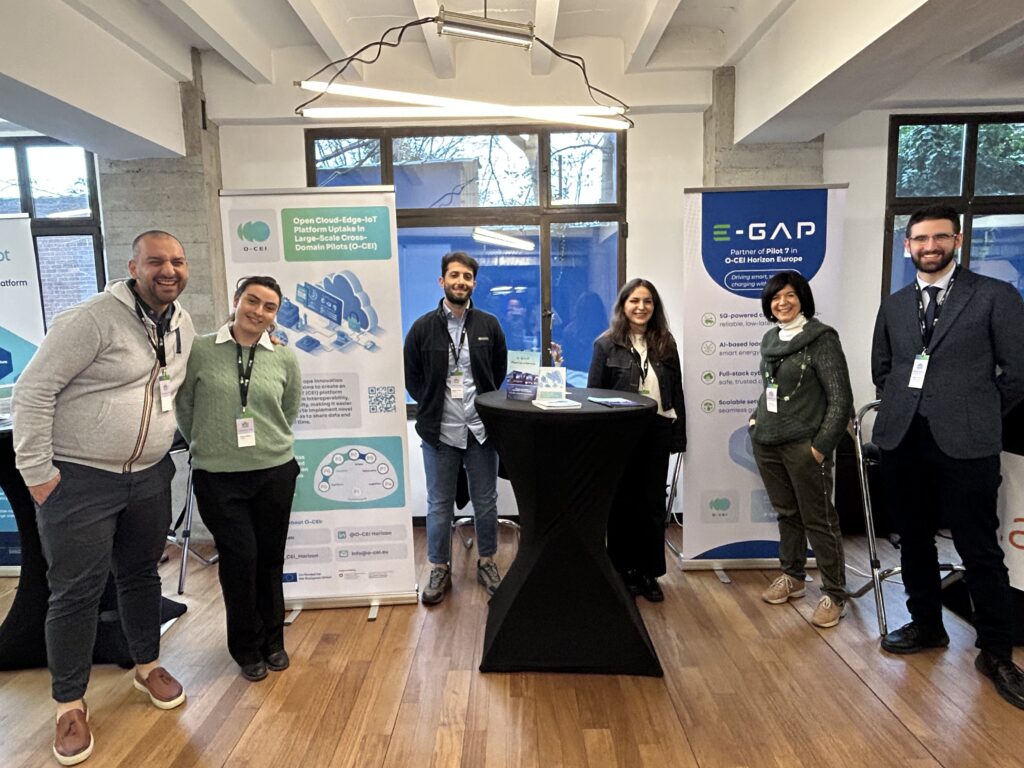
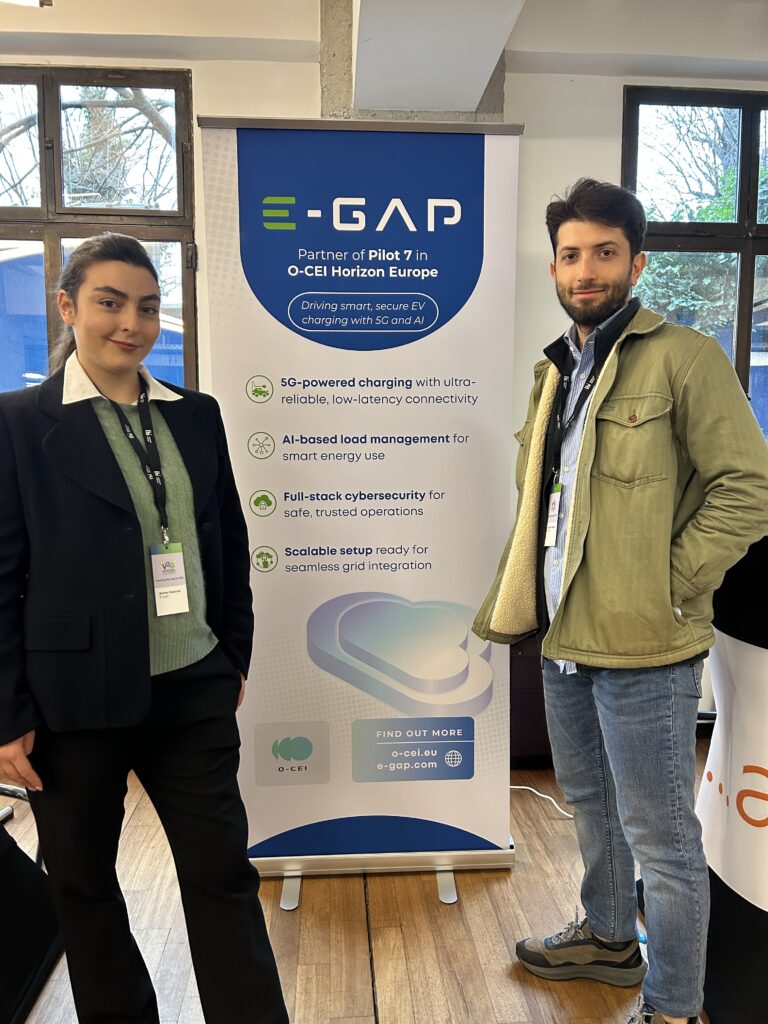
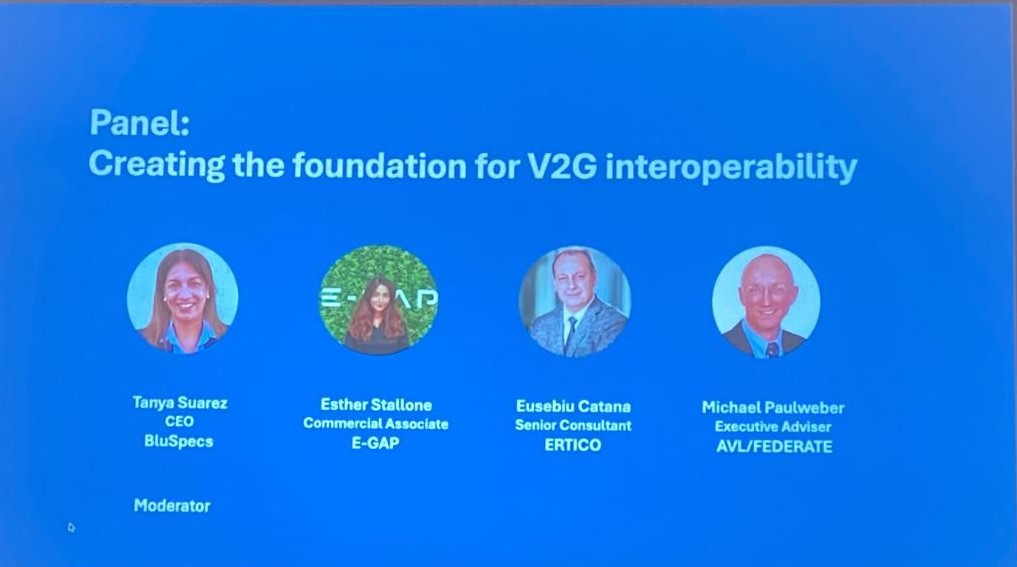
During this same event, Pilot 7 was represented by E-GAP during the “The Sectoral and Business Value Chain in V2G” workshop, organized by CEI-Sphere and O-CEI. The workshop explored the cross-sectoral integration of V2X technologies and the pivotal role of Software Defined Vehicles (SDVs) in enabling V2G, culminating in an expert panel addressing commercial opportunities and the essential push for interoperability.
E-GAP presented the Pilot 7’s motivation, detailing how their experience electrifying large transport fleets exposed critical operational challenges: the need to manage extreme charging peaks, integrate highly predictable load patterns, and transform static depots into flexible energy nodes that support the grid rather than stress it. The pilot was explicitly designed to bridge the gap between O-CEI’s ambition and current market reality by demonstrating flexible energy management, secure data exchange, and the integration of bidirectional flows (B2G, V2B, V2G).

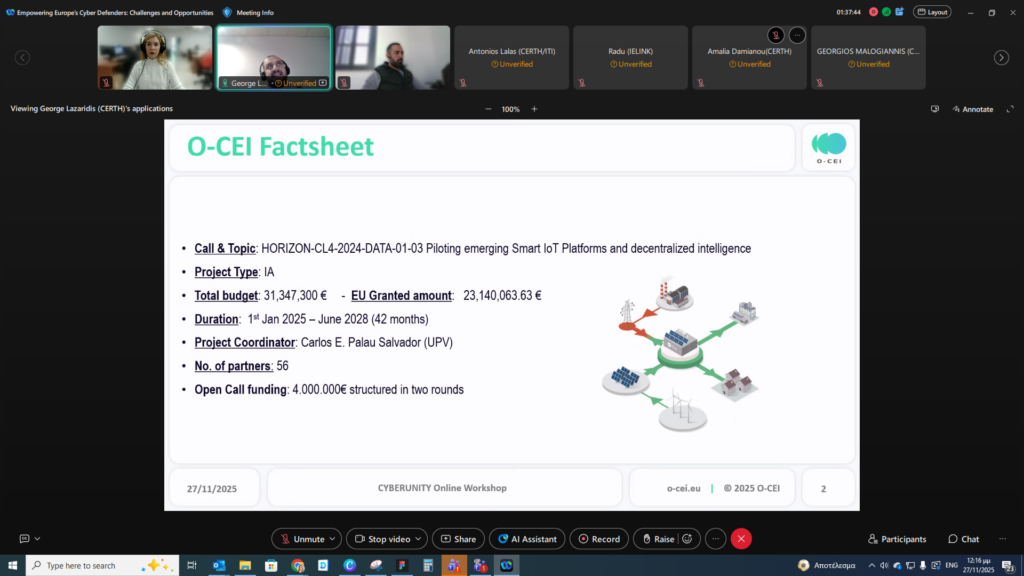
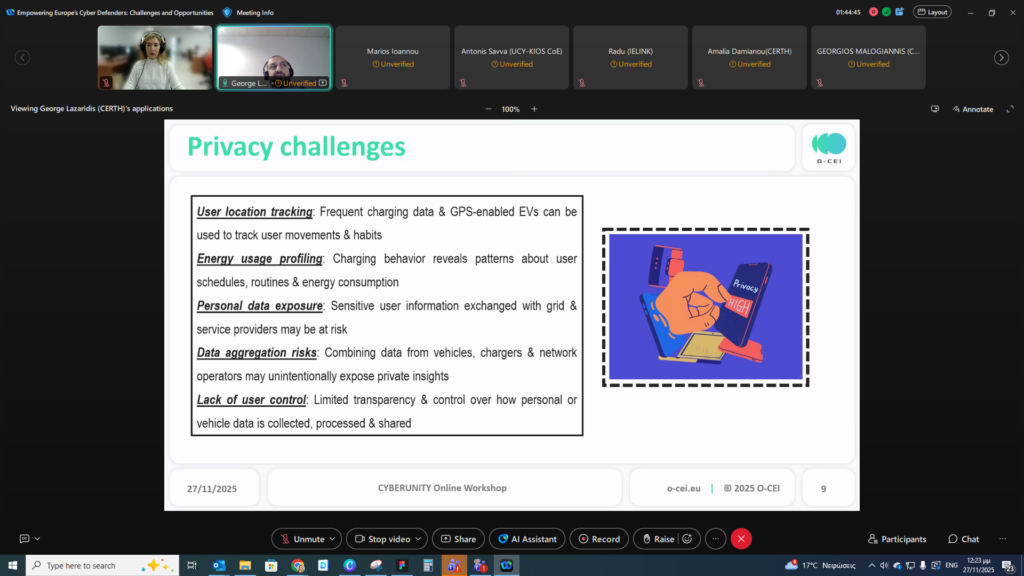
Finally, in November, CERTH presented O-CEI and Pilot 7’s cybersecurity aspects at the CYBERUNITY online Workshop. Their presentation, titled “Protecting Europe’s New Attack Surface: Cyber-Resilient EV Charging Infrastructures,” underscored the pilot’s crucial role in securing Europe’s energy transition.

The strategic and technically rigorous approach of Pilot 7, from securing its 5G infrastructure to transitioning to real-world fleet validation, sets the stage for delivering a commercially relevant and highly secure blueprint for the future of smart EV charging in Europe.