
O-CEI Pilot 3 aims to make postal delivery fleets more energy efficient, cost-effective, and cleaner while simultaneously improving electrical grid stability. By integrating intelligent BEV charging strategies, the project transforms how battery-electric vehicles (BEVs) interact with the energy system, utilizing an advanced AI-Agent to share real-time data between postal bases, power companies, and external services. This innovation allows vehicles to draw power efficiently and to provide energy back to the grid through Vehicle-to-Grid (V2G) technology.
Smart Energy Management in Action
The pilot is testing three integrated scenarios in Austria to maximize the utility of the postal fleet. This includes using smart technology to charge batteries when electricity is cheap to lower costs and store power for when the grid needs help, as well as utilizing parked E-cars as mobile power banks to provide energy back to the grid. Finally, an all-in-one management system brings every element together (including driver schedules, solar power, and market prices) to ensure the fleet operates with maximum efficiency and minimum cost.
Technical Milestones and Real-World Implementation
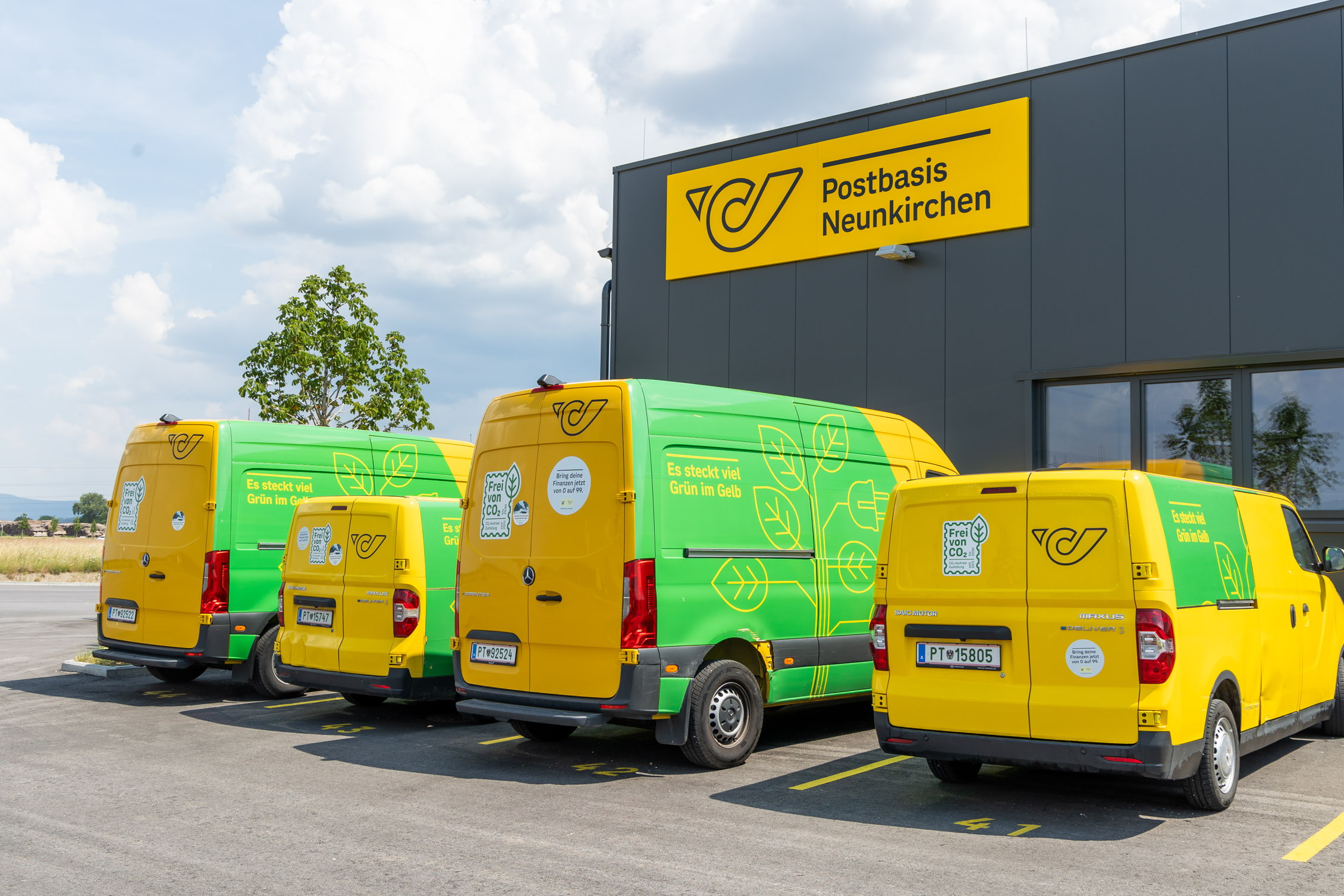
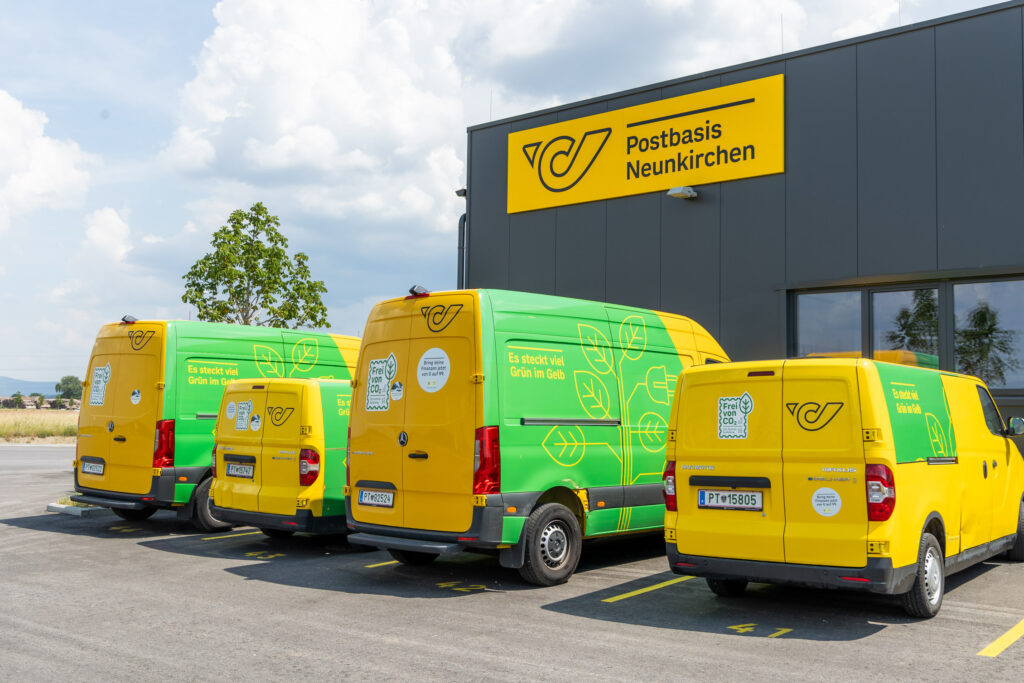
In 2025, the pilot achieved significant momentum by finalizing its system engineering approach, including the definition of use cases and system boundaries. A major milestone was the selection of Post Depot Neunkirchen in Lower Austria as the official testing site, an operation featuring 58 electric cars and 61 charging stations.

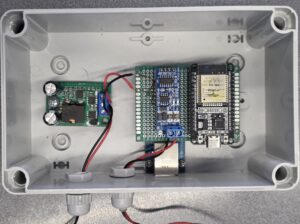
The team successfully demonstrated the first version of a cloud-based AI system to manage these operations and ordered the necessary communication hardware for the site.
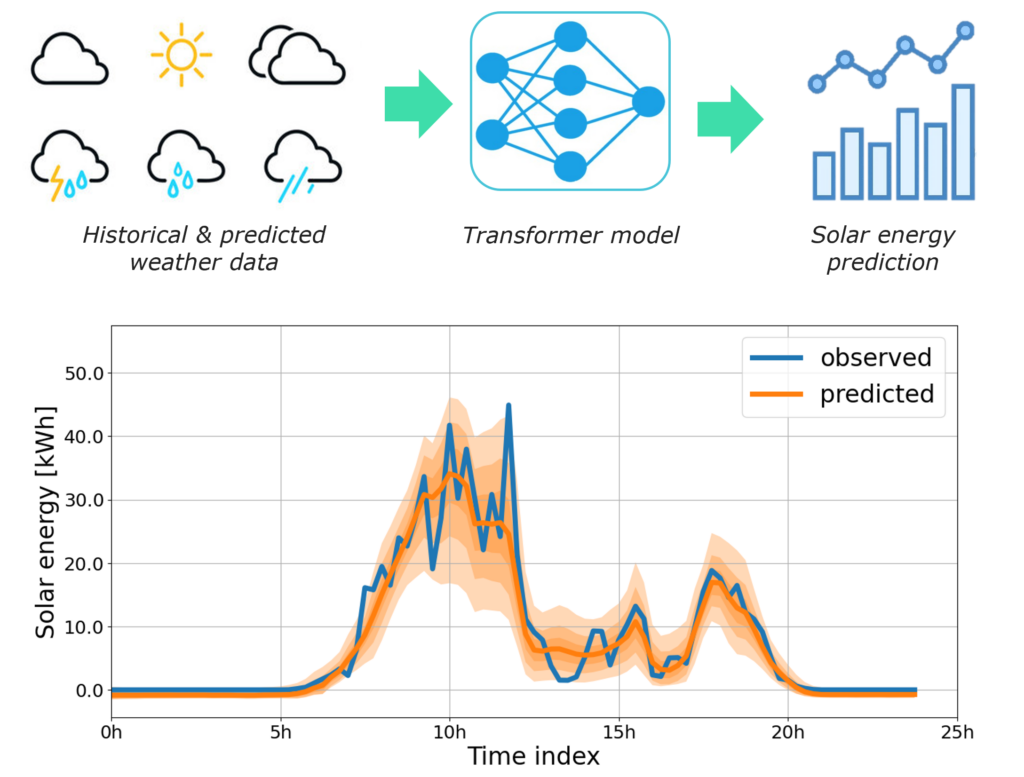
To ensure accuracy, experts also completed a detailed analysis of the Austrian energy market and developed a weather-dependent model to predict energy production from the site’s solar panels. By leveraging a Transformer-based algorithm trained on historical weather and solar production, this model captures long-term dependencies to forecast next-day energy output using current weather data and forecasts. Furthermore, it provides a certainty region for each prediction, offering crucial reliability insights alongside its solar generation estimates.
Engaging the V2G Sector
Beyond technical development, Pilot 3 has focused on aligning its efforts with broader industry goals through strategic participation in key events. The pilot was a featured participant at the “Sectoral and Business Value Chain in V2G” session under V2G Leaders Europe Summit in Brussels on November 20, 2025. This event, co-organized by O-CEI and CEI-Sphere, provided a platform to discuss the role of Software-Defined Vehicles (SDVs) and cross-sectoral integration in making V2G a functional reality.
The session served as a platform to showcase how Pilot 3’s real-world results are moving bidirectional charging from a pilot concept toward a commercial reality, demonstrating the power of the IoT-Edge-Cloud continuum in the mobility sector.

As we move into 2026, the success of these live trials in Neunkirchen will provide a transferable blueprint for large fleets across Europe, proving that smart energy management is the key to a more resilient and sustainable future.