


Laying the Groundwork for a Smarter and more Sustainable Dairy Future
The second half of 2025 marked a period of intense activity and substantial progress for Pilot 5 in Cyprus. The team focused on building the foundations for energy efficient and sustainable Halloumi production. Activities included detailed needs assessment, the setup of smart infrastructure, from cooling fans and sensors to PV systems, inverters, and metering devices, and the assessment of user, technical, and energy requirements. This period also examined the broader energy and livestock technology landscape in Cyprus, ensuring that the pilot is equipped with the right tools and insights to optimize performance in the next stages.
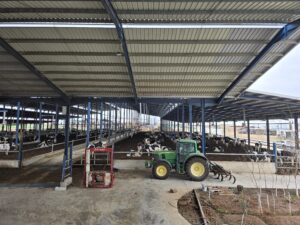 Figure 1. View of one of the cow farms that participate in Pilot 5
During the first implementation phase (M7-M12), the Pilot 5 team carried out in-depth analysis of existing farm and factory operations to identify key energy demands and areas for improvement. This analysis led to the installation of a dense network of smart meters, sensors, cooling fans, and renewable energy systems across the participating farms and the dairy factory.
Twenty SDM630CT-LoRa meters (Figure 2) were installed across critical energy nodes to enable real-time monitoring and wireless data transmission, while the procurement for the acquisition of photovoltaic (PV) systems, hybrid inverters, and battery storage at both the farm and factory, aiming to integrate solar power directly into the production line, is in progress.
In parallel, a new ventilation and cooling system (Figure 3) was deployed at the farm to support livestock comfort and reduce heat stress during Cyprus’s hot summer months.
Additionally, weather stations (Figure 4) were installed to continuously monitor temperature, humidity, and solar radiation. This data will support the assessment of thermal stress through the Temperature-Humidity Index (THI), optimize photovoltaic performance, and improve overall system efficiency.
Building on this strong start, the next stages will focus on integrating and testing the infrastructure to enable real-time data collection, automation, and intelligent energy management. GreenSupplyChain DIH along with EMBIO are working on mechanisms for data harmonization and AI-based data analytics that will facilitate the forecasting of energy needs and optimization of production processes.
By combining IoT technologies, renewable energy, and data analytics, Pilot 5 is setting a model for a more resilient and sustainable Halloumi cheese value chain, demonstrating how tradition and innovation can work hand in hand to achieve energy efficiency and environmental sustainability.
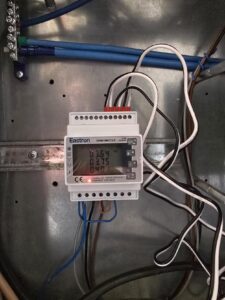 Figure 2 – Energy meter devices
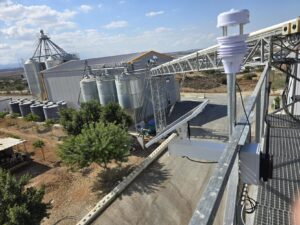 Figure 4 – Weather station
Strategic Outreach: Engaging Communities and Industry
Pilot 5’s outreach strategy is built on a dual foundation: raising public awareness about sustainable dairy production and engaging industry stakeholders to promote the adoption of energy-efficient practices across Cyprus. The outreach approach leverages both local presence and EU-level visibility to maximize impact.
At the community level, EMBIO and Charalambides Christis have led proactive engagement campaigns to communicate the goals and early outcomes of Pilot 5. Through a series of televised interviews and media features, the partners have reached citizens, dairy producers, and the broader agricultural sector.
Interviews with EMBIO’s CEO on major national TV networks, such as Omega TV (Figure 6), Antena TV, Sigma TV, and Alpha TV (Figure 7), spotlighted how Pilot 5 is modernizing Halloumi production through the integration of renewable energy systems, animal welfare innovations, and smart monitoring tools within traditional farming practices.
These appearances not only showcased the project’s technological advancements but also highlighted the environmental and economic benefits of digital transformation — messages that resonated strongly with both farmers and consumers.
Through this multifaceted communication effort, Pilot 5 has successfully positioned itself as a catalyst for sustainable transformation in the Cypriot dairy sector. By raising public awareness, showcasing real-world results, and fostering industry dialogue, the pilot creates momentum for long-term behavioural change and adoption of green technologies, anchored in local relevance, but aligned with broader European sustainability goals.
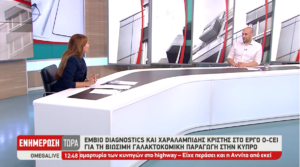 Figure 6: Interview at Omega TV
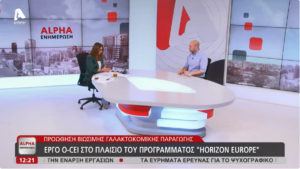 Figure 7: Interview at Alpha TV
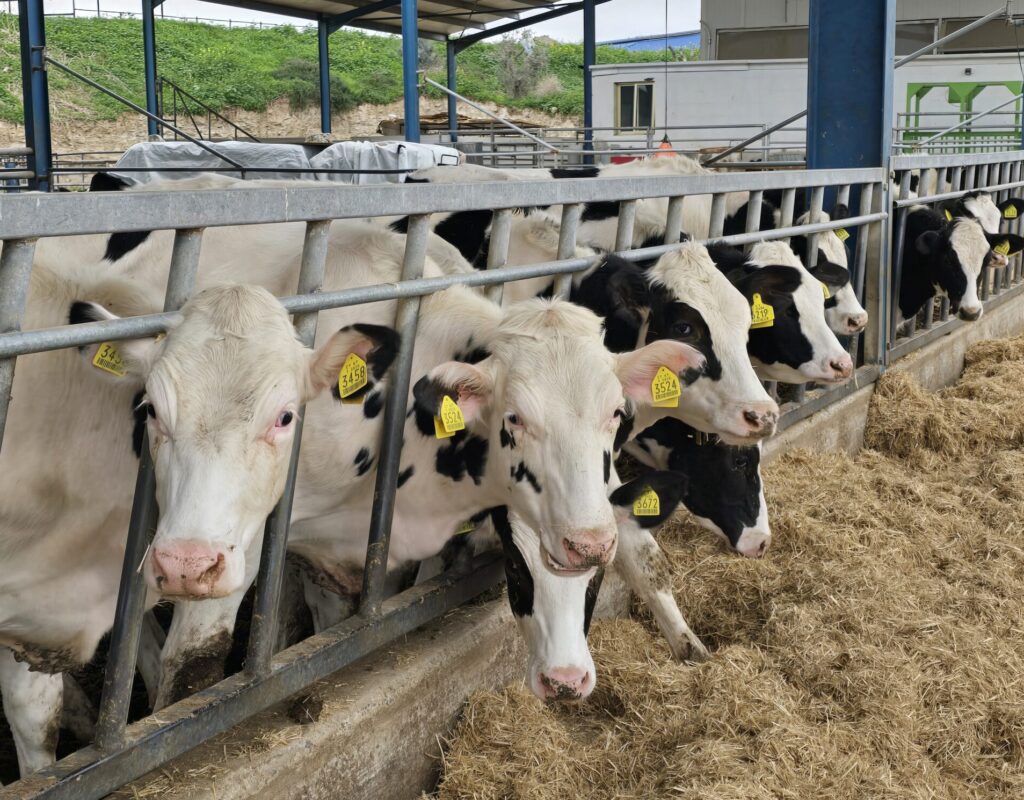 Figure 8. View of one of the cow farms that participate in Pilot 5