
As an island nation, Malta operates with a tightly balanced energy system shared across households, businesses, and the port. With port operations shifting from fossil fuels to full electrification, this balance is under increasing pressure, especially when multiple vessels, cranes, and terminal equipment require large amounts of power within short time windows.
Pilot 4 aims to solve this problem through a next-generation energy management system built on O-CEI’s Cloud-Edge-IoT architecture. The pilot is powered by a strategic collaboration between energy and terminal operators Enemalta and Malta Freeport Terminal, alongside technical leaders Schneider Electric, Prodevelop, and Awake.AI. Together, these partners integrate industrial energy management with advanced predictive AI to transform the port into a high-performance digital ecosystem.
Synchronizing Port and City: The Three Scenarios
The pilot will coordinate energy needs across the port environment and the surrounding grid by intelligently matching demand with available capacity, helping to reduce peak loads, support affordable electrification, and ensure that port logistics can advance toward true sustainability without overwhelming local infrastructure.
To address these complex energy dynamics, the Malta pilot is structured around three high-impact scenarios that optimize the entire maritime value chain. The Vessel Energy Management scenario focuses on the real-time orchestration of energy storage and visualization for ships to prevent blackouts during high-intensity operations. Simultaneously, Terminal Energy Management coordinates usage across critical assets like cranes and reefer stations to set operational priorities. Finally, the Residential Energy Management scenario integrates local homes into the port’s grid to test secure, priority-based reconnection protocols during energy surges, creating a unified energy ecosystem.
Strategic Foundations and Technical Progress
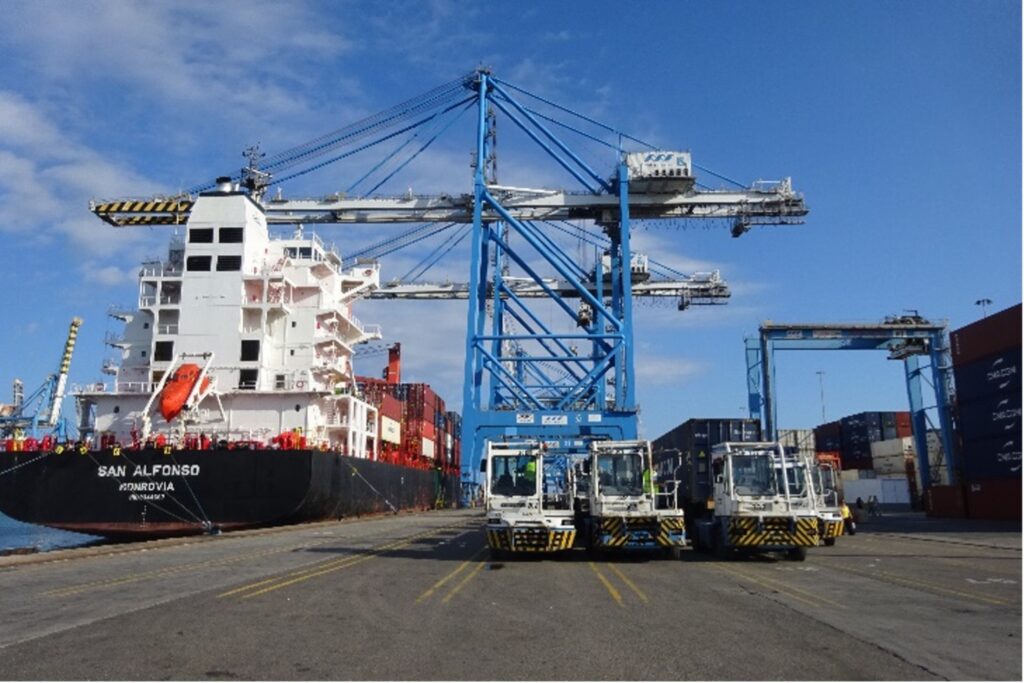
Transitioning from these strategic goals to real-world implementation required an intensive discovery phase. In March 2025, the consortium travelled to Malta to visit the Freeport terminal and the Enemalta power plant to identify infrastructure gaps and initiate partner integration. This visit solidified the technical roadmap where Schneider Electric leads energy data collection for terminal assets and vessels, while Enemalta manages data for the residential smart office scenario at their Marsa control building.
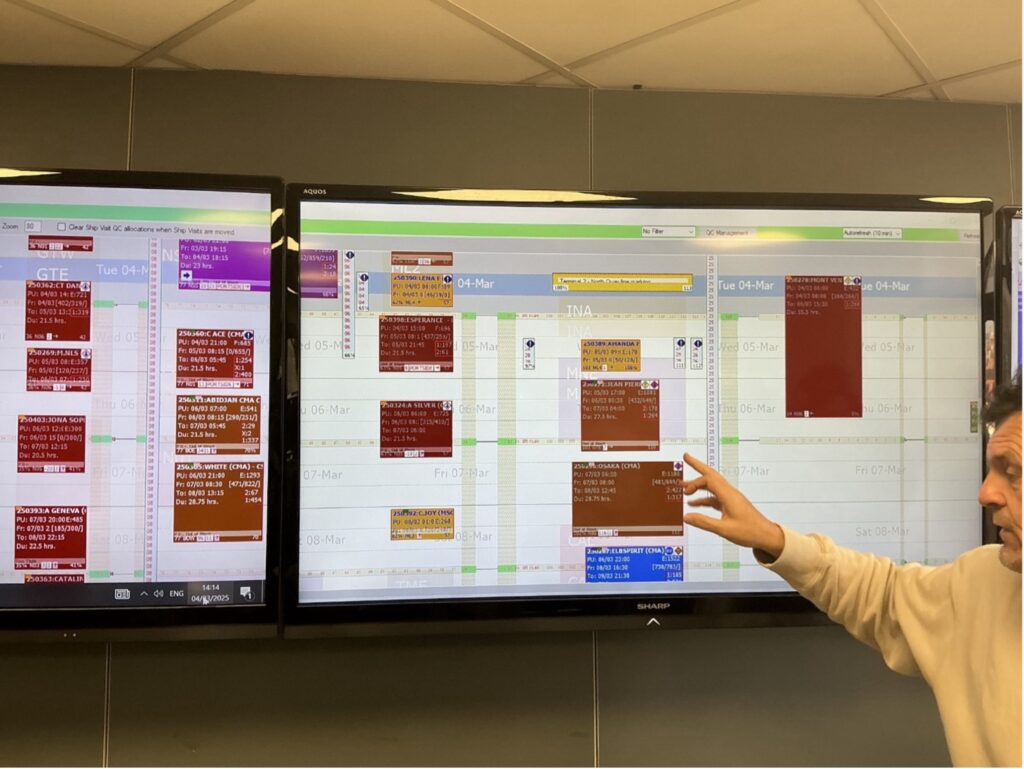
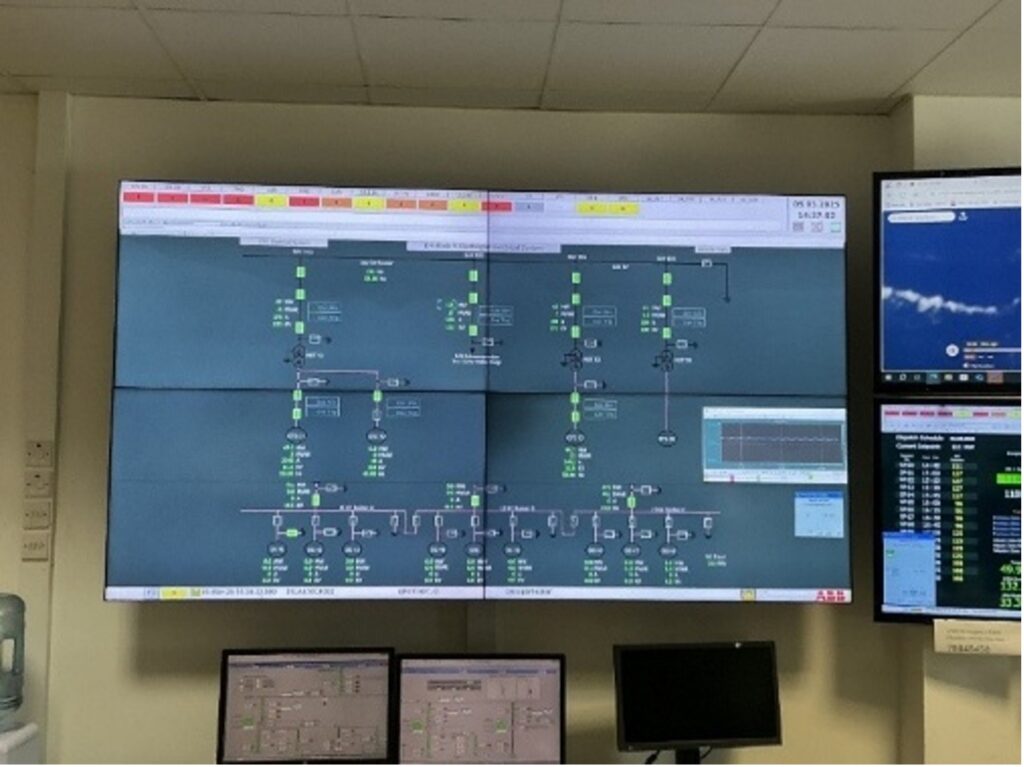
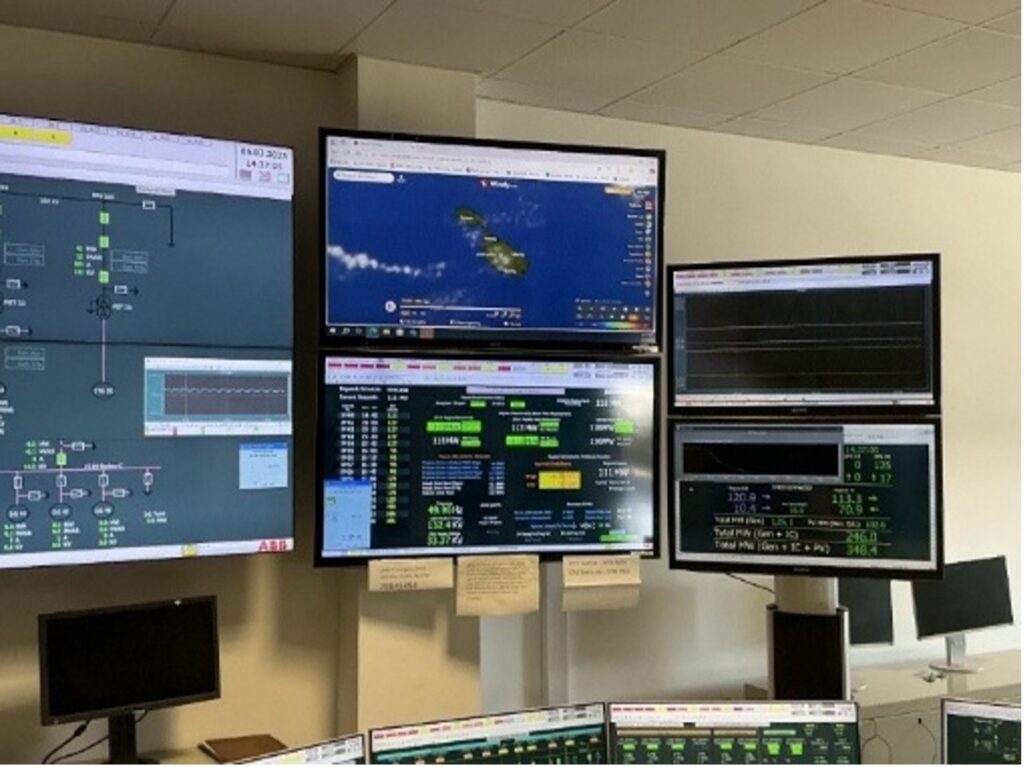
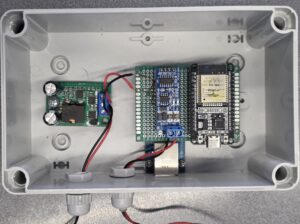
The technical build-out is currently focused on establishing a robust “edge” infrastructure to facilitate local processing. New Virtual Machines are being deployed at the terminal, complemented by the procurement of PLCs for cranes and reefer power stations to enhance monitoring. A specialized panel for “Reefer Distribution Boards” is also under development to monitor individual refrigerated containers alongside context data like humidity and temperature. On the residential side, the fourth floor of the Enemalta building is being transformed into a smart office, utilizing Schneider PAS800 gateways and Shelly digital controllers to monitor air conditioning units.
Sharing the Digital Shift: Dissemination
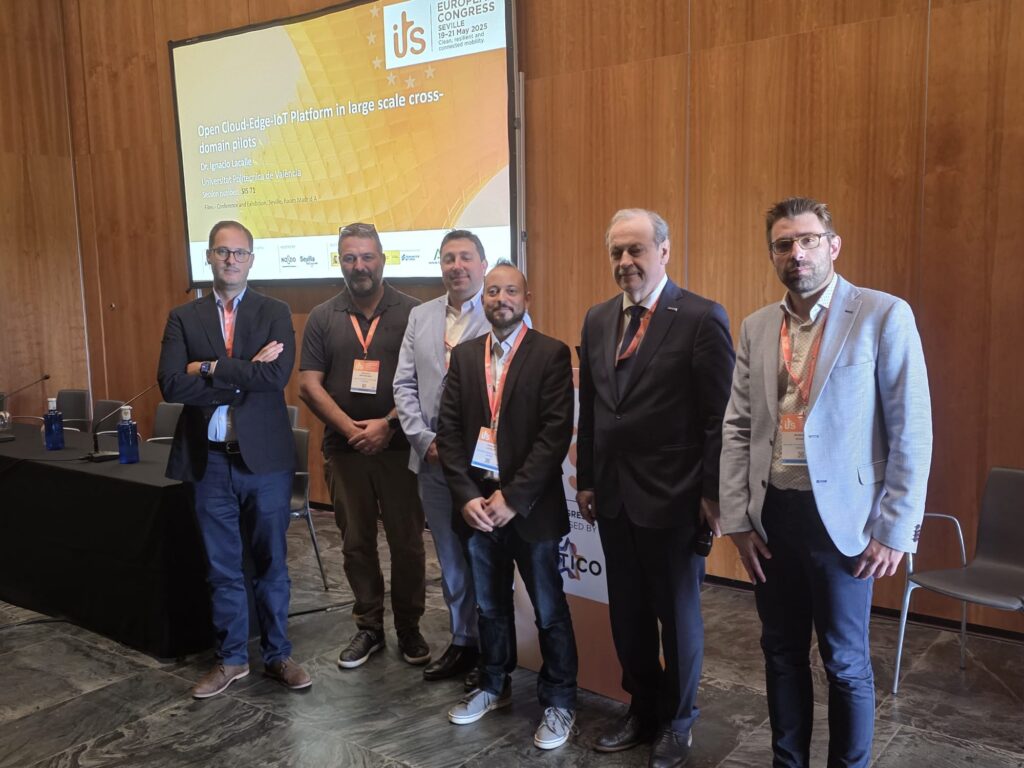
At the 2025 ITS European Congress in Seville, Pilot 4’s approach served as an example of how Cloud-Edge-IoT can overcome the real-time data processing hurdles facing modern ports. During Special Interest Session 71, partners highlighted that while maritime and logistics hubs collect immense amounts of data, they often struggle to act on it instantly due to the latency of remote cloud platforms. The session highlighted how Pilot 4 solves this by moving intelligence to the “edge” via the aerOS Meta Operating System, allowing for faster, local decision-making that is already being implemented across Europe’s infrastructure.
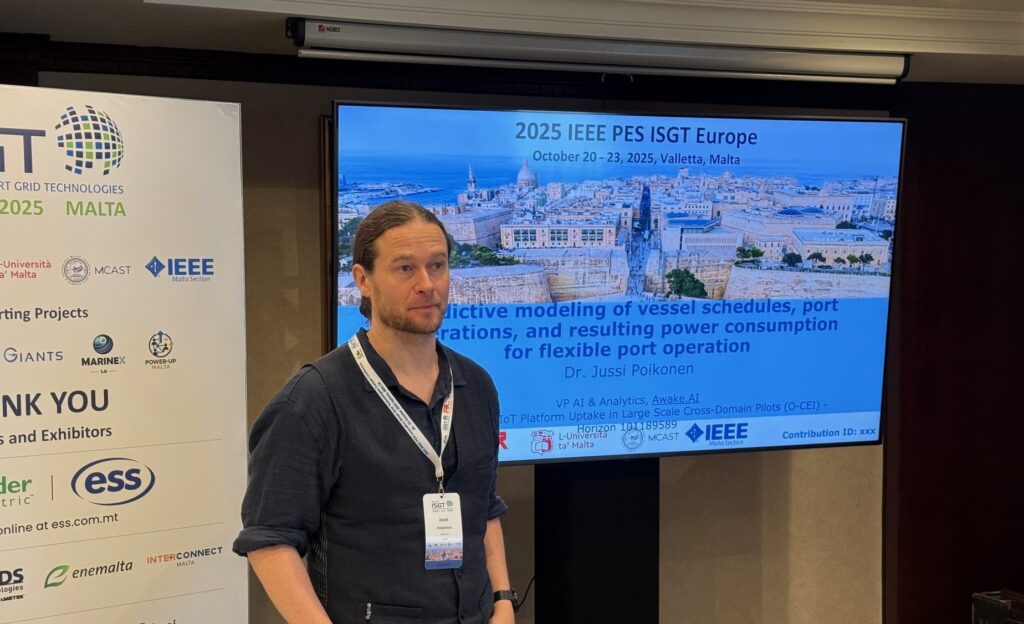
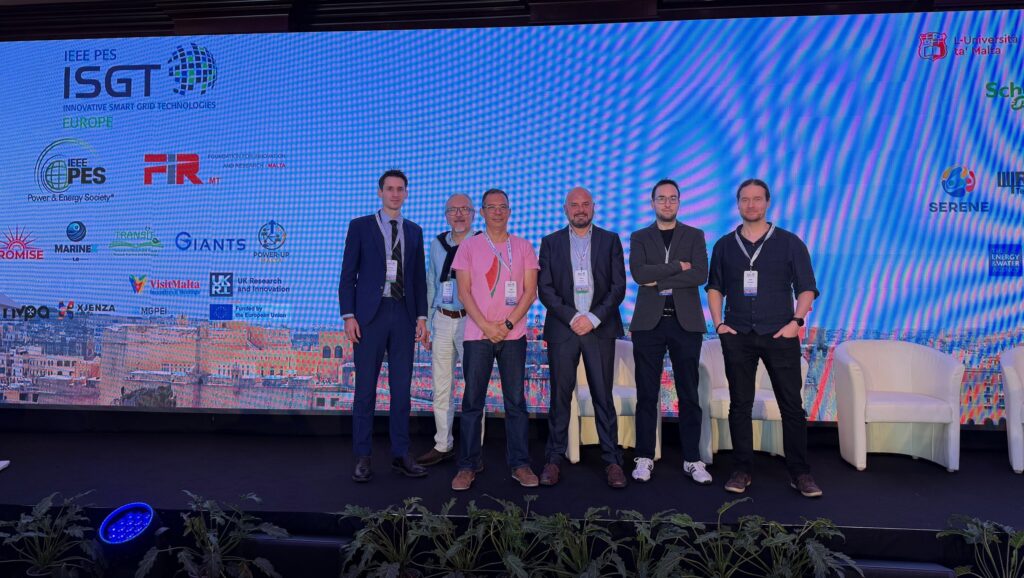
Further technical dissemination occurred at the IEEE ISGT Europe 2025 conference in Malta, where the focus shifted to the role of the IoT-Edge-Cloud continuum in energy flexibility. Awake.AI presented advanced predictive modelling of vessel schedules and port operations to demonstrate how AI-driven simulation improves situational awareness. This presentation underscored that data sharing and stakeholder collaboration are mandatory prerequisites for achieving long-term decarbonization and energy optimization in complex maritime logistics environments.
The successful groundwork laid in 2025, from the strategic site visits to the deployment of edge-ready hardware, has established a clear path for Pilot 4 to become a benchmark for smart port operations. These efforts reinforce O-CEI’s commitment to delivering secure, scalable digital ecosystems that support Europe’s green energy transition across complex logistics environments.