
The second half of 2025 marked a period of intense activity and significant progress for Pilot 8 in Switzerland, which is focused on achieving heightened social engagement and acceptability of energy flexibility in urban areas. From establishing a “living lab” in the Alps to engaging with key partners and community members in the plains, Pilot 8 successfully expanded its reach and solidified its role in the national energy transition debate.
Establishing the Swiss “Living Lab” in Val d’Anniviers
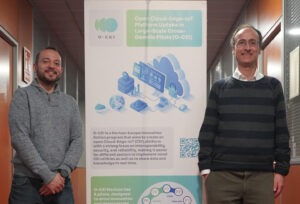
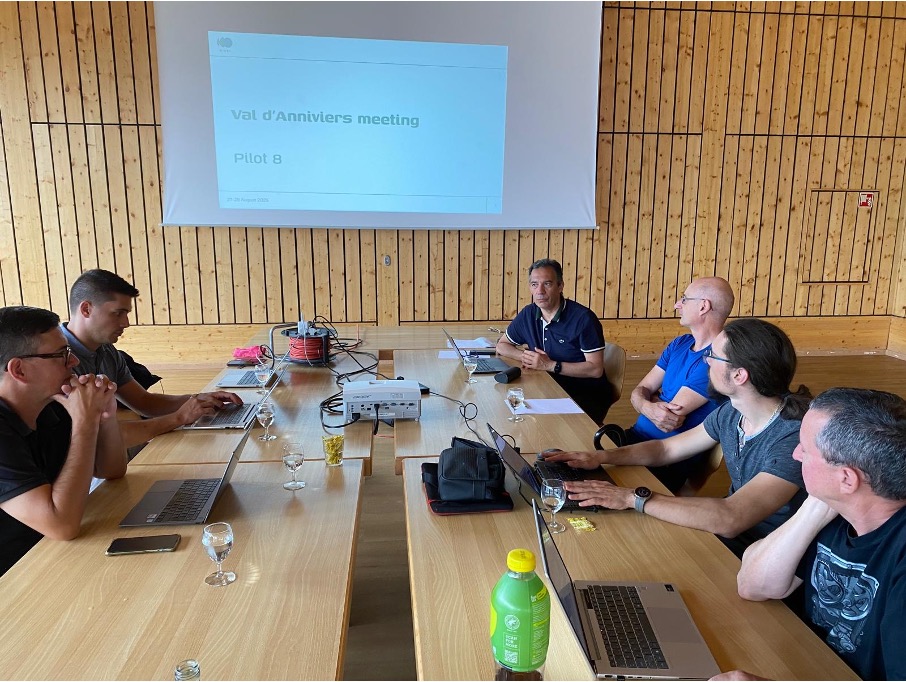
The foundation for these activities was laid in the Canton of Valais with a face-to-face meeting held on August 27th and 28th in St-Luc (Val d’Anniviers).
The region itself is positioned as a “living lab” for innovation, sustainability, and technological progress. The sessions brought together key local partners, including the Energy Director of the St-Luc/Chandolin ski lifts (who also owns hotels and restaurants) and the Director of the Boutique Hôtel Chandolin.
Discussions focused on outlining the benefits of involvement, clarifying expectations, and shaping the local pilot, with the team meeting on-site on August 28th to co-design potential solutions and prepare for the upcoming deployment. Crucially, these sessions addressed the topic of social acceptance, gathering insights into partners’ needs and setting the groundwork for building a robust case study. Local partners gain valuable visibility as contributors to a pioneering sustainable energy initiative, access to project insights and results, and recognition as forward-thinking leaders.
Strategic Outreach: Engaging Communities and Industry
The focus on social acceptability continued through the autumn with intensive engagement around the Smart Energy District (SED) research project, which is led by the HES-SO. O-CEI is collaborating with SED within one of the deployments in Pilot 8.
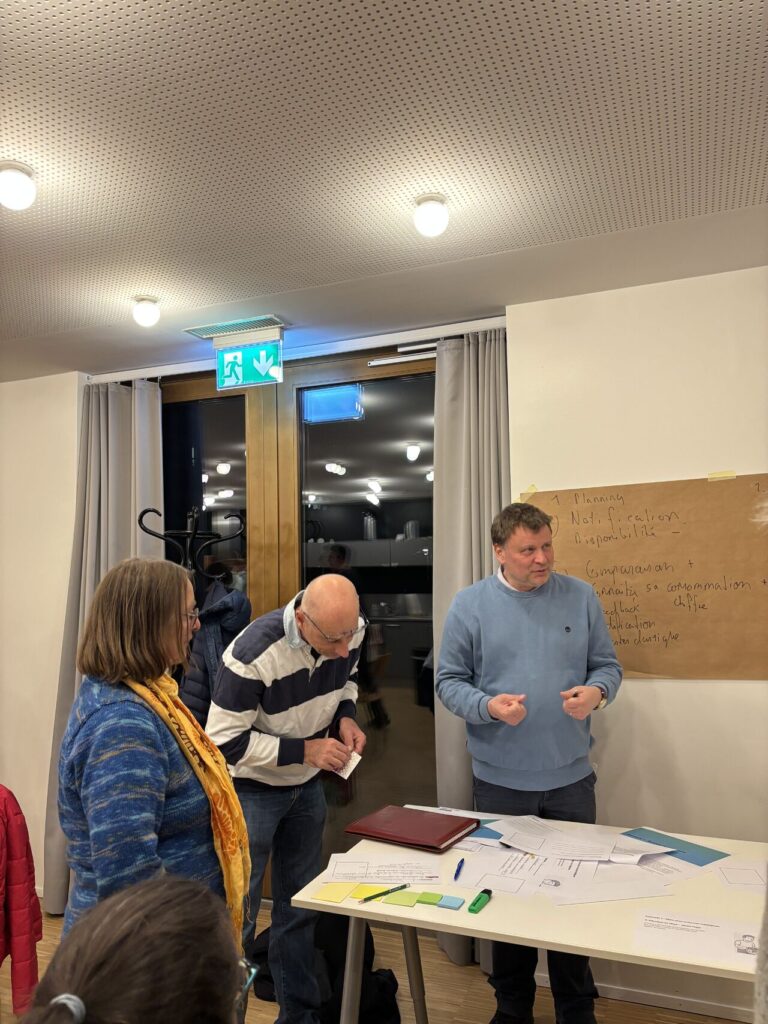
Pilot 8 attended two community-focused events organized by the SED Project in Fribourg/Marly on October 30th and November 3rd. These sessions, hosted by the HES-SO and Groupe E, brought together inhabitants of the “Le Pâquier” neighborhood (which is part of the SED pilot site), where Pilot 8 representatives presented the O-CEI project and specifically highlighted the importance of the social acceptability aspect.
On 13 November, O-CEI was presented in Sion at a dedicated event addressing the challenges of large-scale solar integration into electrical networks, with a focus on variability management, flexibility, storage, and coordination across stakeholders. Presented by our partners from HES-SO, the contribution positioned O-CEI as a practical framework for supporting smarter energy districts and resilient grids, bridging distribution, transmission, and scientific perspectives in a context attended by more than 150 participants from DSOs and private companies.
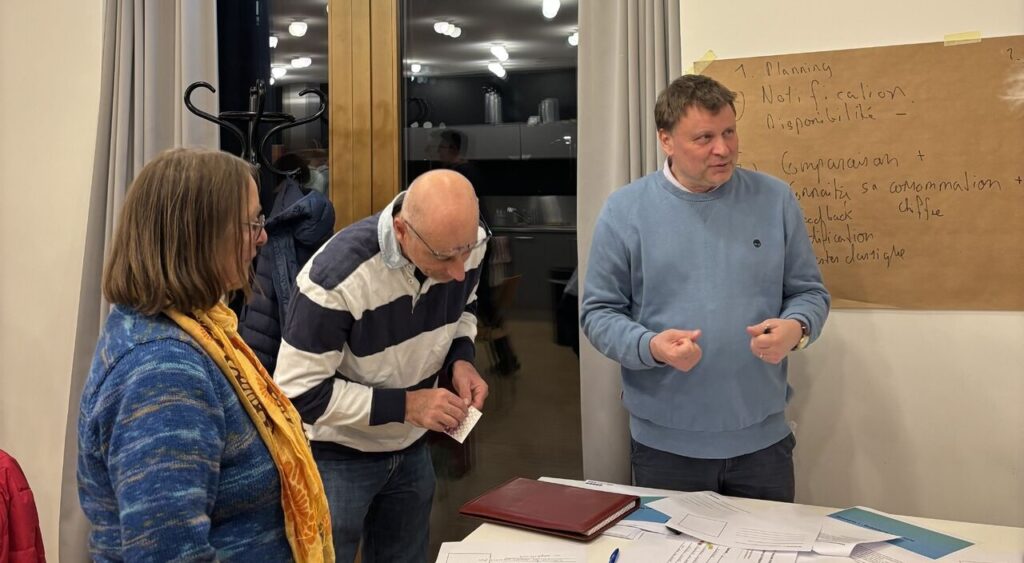
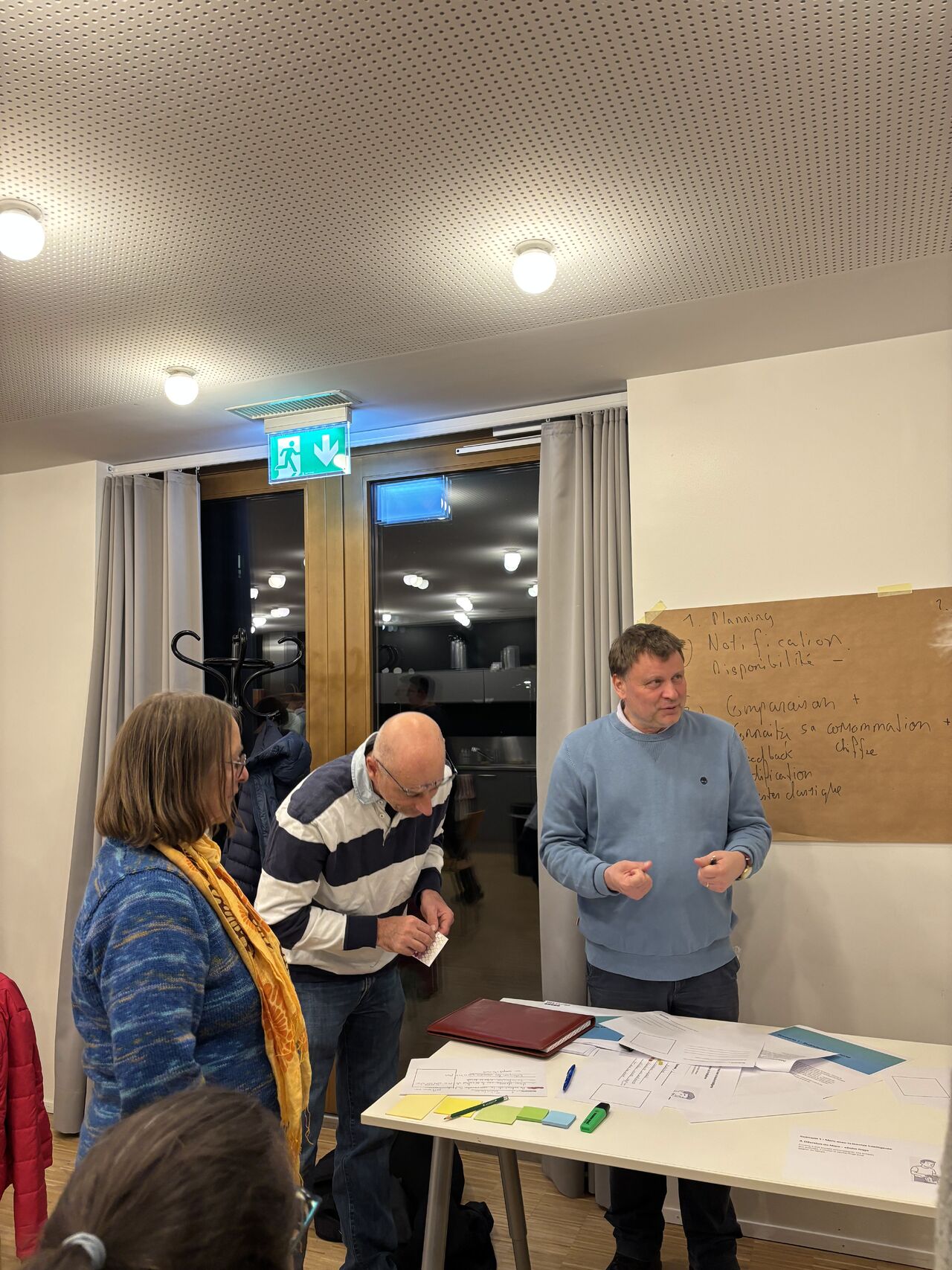
Pilot 8 also engaged the Polygones community on November 14th through a hands-on participatory workshop focused on the future of smart energy systems. The goal was straightforward: understand how citizens perceive local energy communities and co-create solutions that people are willing and able to adopt.
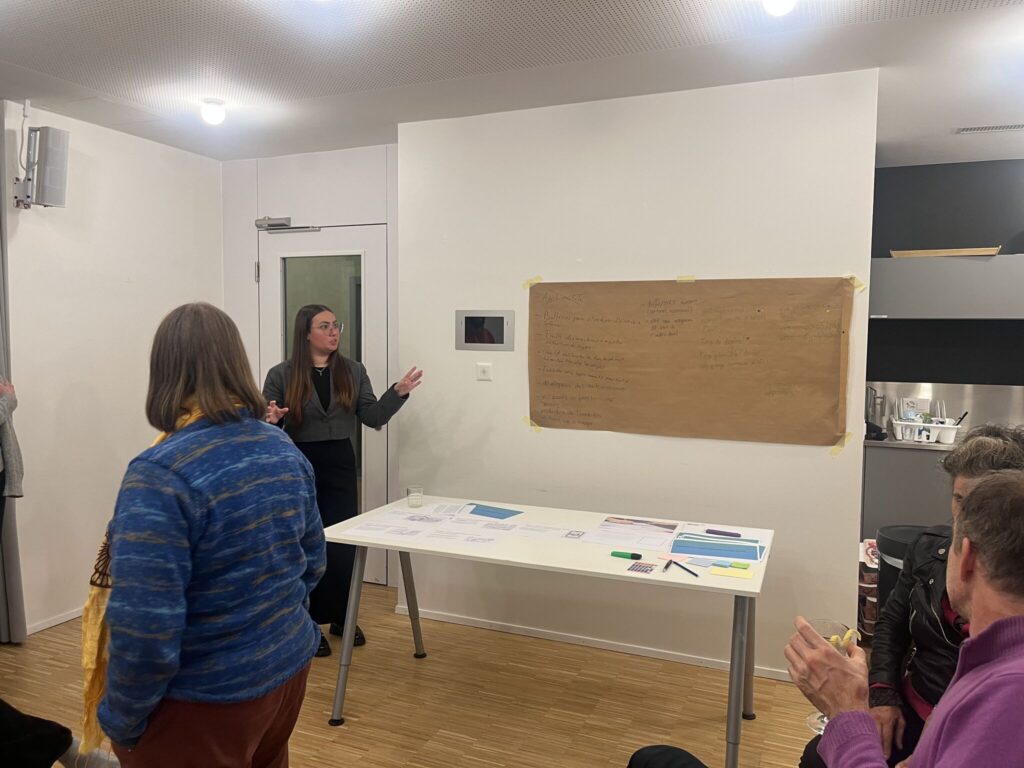
The workshop highlighted a key insight for the energy transition: technology alone is not enough. Successful implementation depends on dialogue, transparency, and the active involvement of the communities concerned. Through service design and scenario-based exercises, participants shared concerns, expectations, and practical ideas rooted in everyday life.
By putting residents at the centre of the process, Pilot 8 is shaping energy solutions that are not only innovative, but also trusted, usable, and aligned with real local needs in Switzerland.
The successful activities of Pilot 8 in H2 2025, from co-designing solutions with local partners in Val d’Anniviers to engaging strategically with communities, DSOs, and thought leaders, have established a strong foundation for integrating energy flexibility solutions that are technically sound and socially accepted.