
O-CEI Pilot 1, “Electric Grid performance optimization upon RES integration,” stands as one of the most geographically diverse efforts in the project, spanning three key European locations: Ireland, France, and Croatia (Krk Island).
The fundamental challenge addressed by the pilot is transforming decentralized energy resources, such as rooftop solar and residential batteries, into a coordinated, intelligent system that supports the electrical grid.
Throughout 2025, the Pilot 1 consortium and its partners worked intensively across all three locations to achieve the overarching goals of the pilot. Their collaborative efforts were essential in laying the technical and physical groundwork necessary for the next phases of deployment.
Ireland: Multi-Layer Intelligence and Community Orchestration
During the second half of 2025, the Irish section of Pilot 1, led by University College Cork (UCC), MDU, and MPower, achieved decisive technical and deployment milestones by operationalizing a sophisticated symbiotic multi-layer intelligence framework.
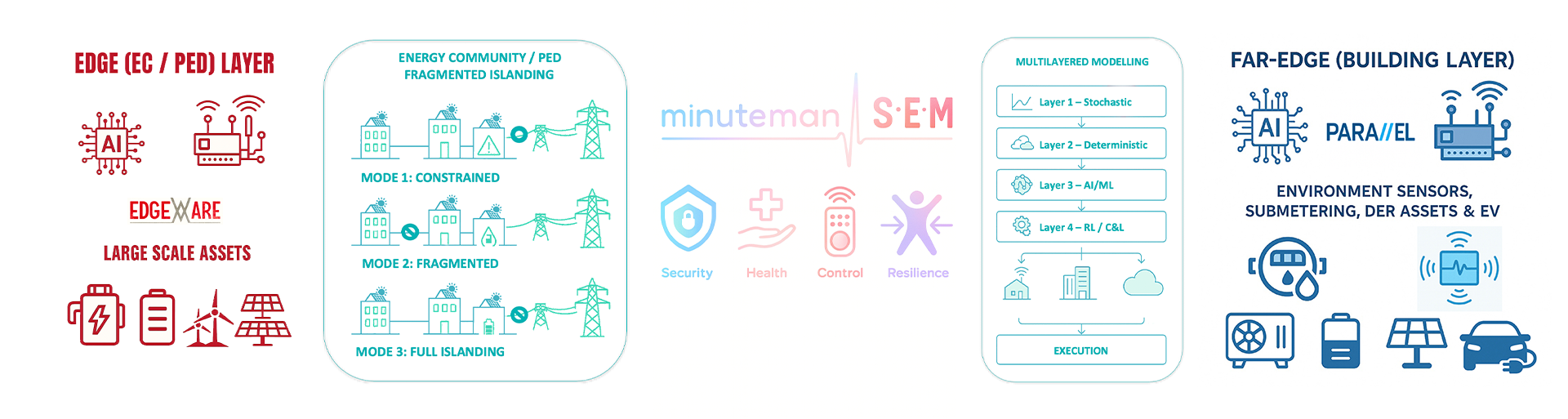
This framework was designed to enable flexibility services and local intelligence by distributing computing power across three levels: the Far-Edge (Building-Level), utilizing TinyML devices for real-time load analysis and local comfort optimization; the Edge Layer (Community-PED-Level), which coordinates groups of buildings to aggregate flexibility, manage micro-islanding, and orchestrate Peer-to-Peer (P2P) trading; and the Cloud (Network-Level), where the FLEXUS platform integrates stochastic forecasting, reinforcement learning, and advanced control. Crucially, all layers continuously exchange data for self-improvement, using ontologies to ensure secure interoperability across devices, datasets, and digital twins.
Supporting this infrastructure is a suite of novel software solutions developed by UCC: FLEXUS acts as the cloud-based platform facilitating P2P trading and interaction with the Distribution System Operator (DSO); EdgeWare is the middleware that exposes physical and virtual assets as network nodes for efficient operation; and PARA//EL implements multi-objective optimization at the far-edge, balancing community objectives like energy cost, comfort, and flexibility delivery.
Furthermore, MDU advanced its scalable co-simulation framework, integrating high-fidelity building models into a unified testbed. This work created a fleet of 1000 virtual buildings to assess flexibility options, with HELICS-based real-time control implemented to test peak shaving and PV export mitigation strategies before physical deployment.
In terms of real-world application, MPower strengthened its role as the local coordination and engagement lead, enabling real-world deployment of smart energy technologies within a multi-storey, multi-prosumer apartment block. MPower successfully demonstrated a pico-grid configuration linking heat and electricity, integrating sensors, NILM analytics, CHP, PV, and EVSE. Their work included essential on-site engagement and resident coordination, ensuring both technical readiness and high social adoption.
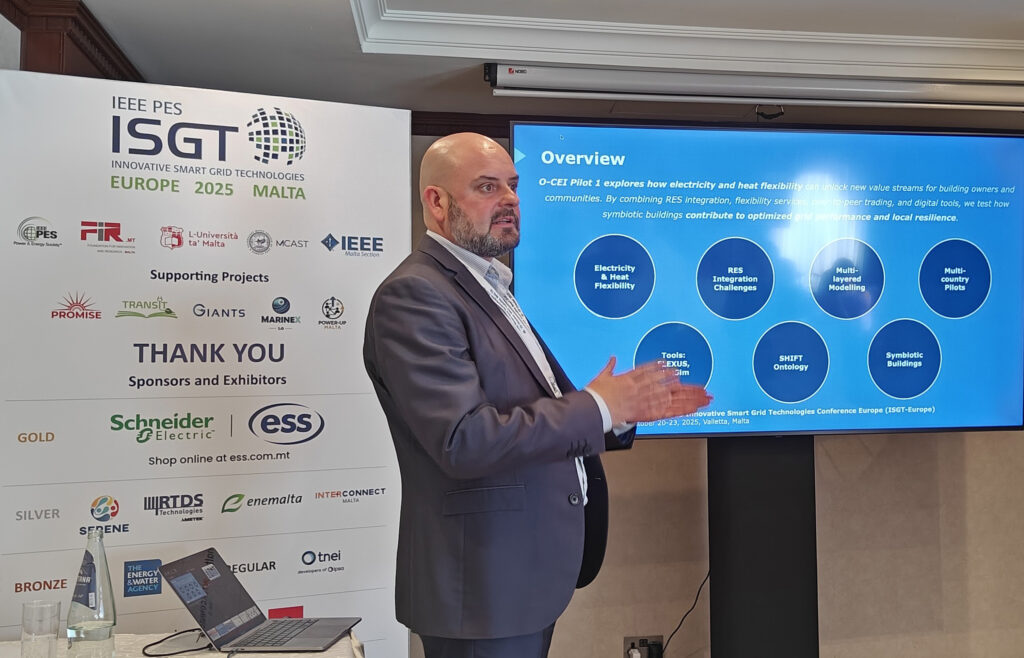
Finally, the Irish sub-pilot gained significant visibility at the IEEE ISGT Europe 2025. Dr. Brian O’Regan (UCC) presented Pilot 1’s outcomes at a special session co-organized by O-CEI, focusing on how electricity and heat flexibility unlock new value streams in grid management. The presentation detailed the SHIFT Ontology, FLEXUS platform, and FlexSim tools, showcasing their ability to enable P2P energy trading and real-time optimization.
The rigorous technical and collaborative work completed in the Irish sub-pilot during H2 2025 has successfully established the structural, analytical, and community foundations for the entire Pilot 1. This foundational work provides a unified pathway toward the next major phase of O-CEI, which includes the full deployment of advanced P2P trading, reinforcement learning at scale, and achieving fully automated flexibility control, ensuring these integrated solutions are validated across diverse residential environments.
France: From the grid to the home, towards a more resilient energy system
Pilot 1’s application in France dedicated its efforts to the essential foundational work for two key demonstrations that address two key challenges: empowering consumers to play an active role and enhancing the grid infrastructure to be more resilient and flexible. This preparatory phase in 2025 was dedicated to designing, testing, and validating the solutions that will be deployed in the next stages of the project.
France’s first scenario: preparing for smart energy management in the home
For many people, managing electricity consumption is challenging. Information is often delayed, lacks detail about which appliances are using the most power, and raises privacy concerns. This pilot aims to solve these issues by providing residents with a service that offers clear, real-time insights, all while keeping their personal data secure within their home.
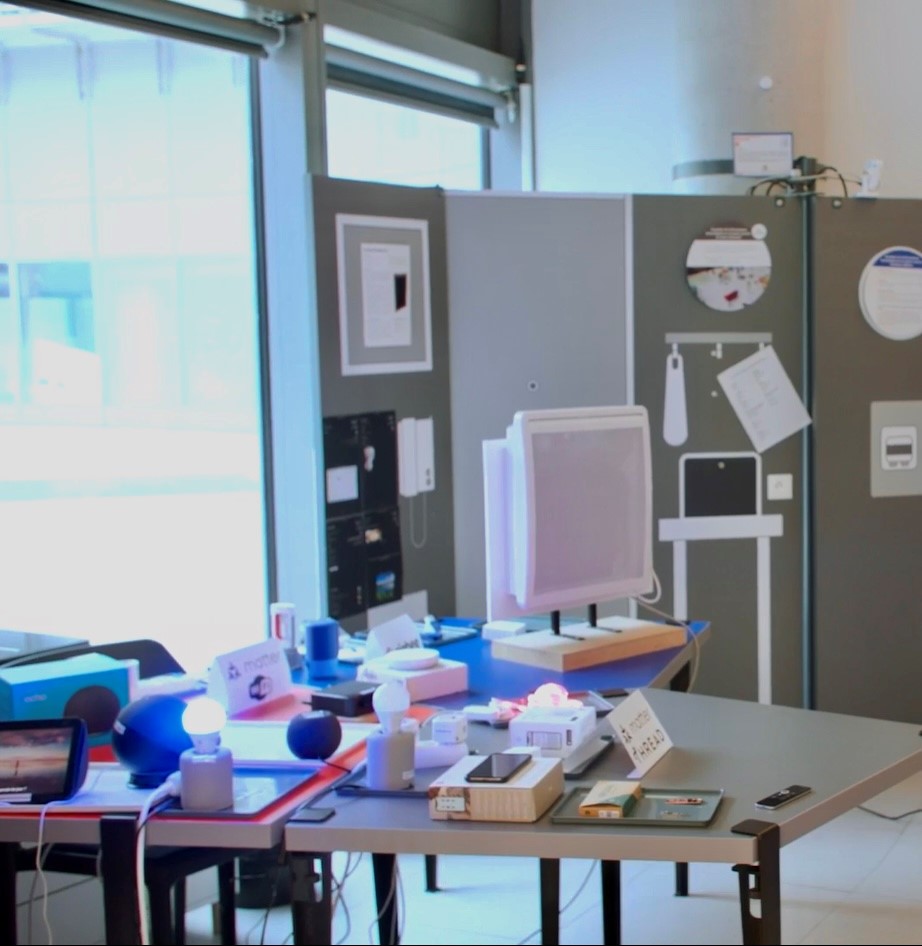
Our work this year was focused on turning this concept into a validated, deployable solution. We focused on preparing and validating the technical solution in our Smart Home Experience laboratory (Picture F.1), finalizing the hardware kit that will be installed in each home. The heart of this kit is the EDF IoT gateway, which acts as a local processing hub for energy management. It connects to a radio transmitter on the home’s smart meter to read overall electricity usage. To provide a more detailed breakdown of energy consumptions and validate the AI-based algorithms that will be used, the system also includes a set of smart plugs to monitor the consumption of specific high-usage appliances, and environmental sensors to measure indoor temperature and humidity, linking energy use to comfort levels.
A core principle of this pilot is cybersecurity and privacy-by-design. We engineered the system so that high-frequency consumption data is processed locally on the gateway. This ensures that sensitive, real-time personal data remains within the user’s home. This architecture underwent a rigorous review, and we achieved a critical milestone in 2025 by securing the formal validation required under GDPR, an essential step before involving participants.
Alongside hardware testing, our software teams have been continuously developing the mobile application that will serve as the user’s primary interface. In parallel, we solidified our partnership with the Municipality of Montrouge. An article calling for interested residents was published in the municipal magazine over the summer (Picture F.2), which generated a very positive response with 50 spontaneous applications, confirming strong community interest. This groundwork extended to the participant’s experience itself, with the creation of informational materials and the initial design of engagement workshops to ensure a supportive and transparent process for the community. This work prepares us for the official participant recruitment planned for early 2026.

France’ second scenario: Optimizing the grid for renewable energy integration
The rise of renewable energy means the grid must handle complex, two-way power flows it wasn’t originally designed for. This requires grid management to become more dynamic and responsive to maintain stability. This pilot explores how “virtualization” (running grid control functions as software on a server) can make substations more flexible and efficient. This work is conducted at the EDF Smart grids laboratories, aiming for a deployment on “Concept Grid,” EDF’s unique laboratory that replicates a full-scale electricity network, allowing us to test advanced solutions in a safe and controlled environment.
Throughout 2025, our activities centered on defining the use case and designing the target architecture for this virtualized system. This involved close collaboration with technology providers within the O-CEI consortium to specify the requirements for each component. Discussions are ongoing with project partners to select the optimal hardware and software that can meet the demanding performance requirements of a modern grid. To demonstrate the concept, we selected a key grid management application, the dynamic voltage regulation, as the first function to be virtualized. This function is crucial for maintaining grid stability as renewable energy production fluctuates.
The progress made in 2025 has established the technical roadmap for the next phase, where we will build and test a prototype, guiding the practical preparations for the prototype’s installation within the smart grid laboratories. After deployment, the system will be subjected to rigorous scenarios, from simulating a normal day to stress-testing it with high levels of renewable energy injection. This will allow us to demonstrate how virtualization can enhance grid stability and increase its capacity to host renewable energy, a decisive step for the energy transition.
Croatia: High-Speed Coordination and Blackout Protection on Krk Island
The Croatian sub-pilot is driven by two vital objectives: managing the integrated production and storage for 100 small producers and providing high-speed protection against low-voltage network blackouts. In a region where overloading can cause voltage to drop as low as 130V, the pilot aims to automatically reduce consumption from heavy loads like heat pumps and EV chargers within seconds to prevent total system failure.
To turn this vision into reality, the team has achieved several major foundational steps:
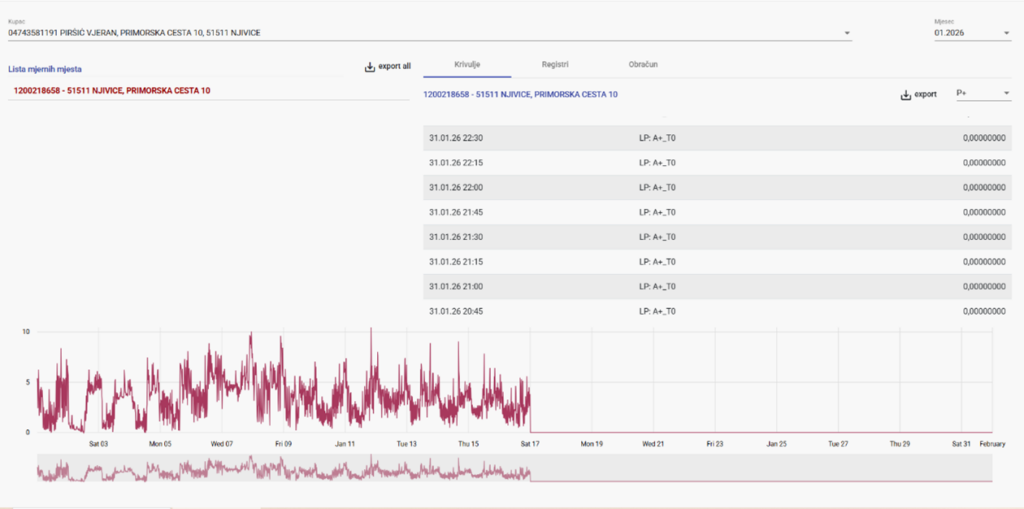
- Computing Power & Data: A dedicated Linux server has been configured to serve as the hub for a future server farm. The team successfully secured historical data and 15-minute real-time readings from the system operator for all users, which are now being integrated into a central database.
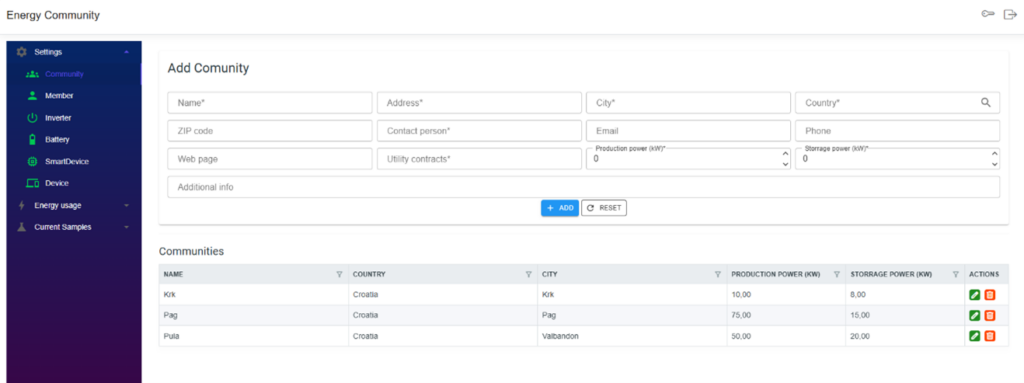
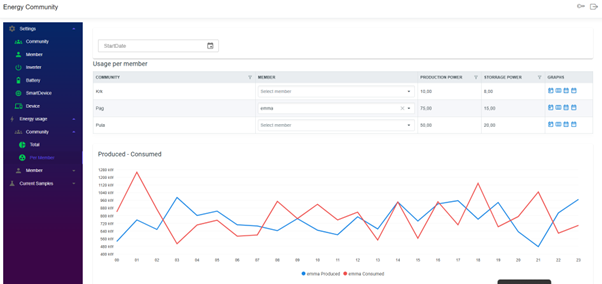
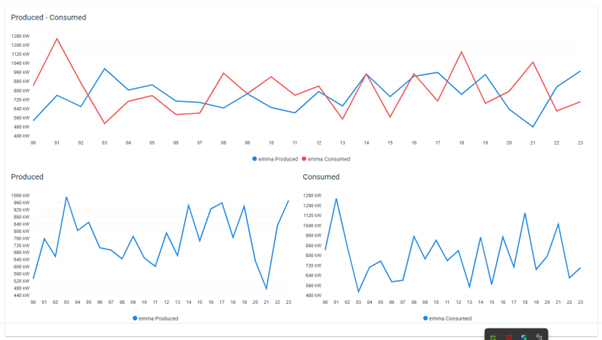
- Real-Time Application Development: A bespoke CRM management application is currently being built using the .Net Blazor framework, specifically selected for its superior support of real-time WebSockets through SignalR to monitor energy flows as they happen. This secure platform, protected by Microsoft login functionality, features a specialized interface divided into three major areas: Settings, Energy Usage, and Current Samples. The “Settings” tab allows for the precise entry of data for communities, members, inverters, batteries, and smart metering units. Thse “Energy Usage” dashboard provides deep visibility into historical trends, generating detailed daily, weekly, monthly, and yearly graphs that track both production and consumption per member or community. For real-time monitoring, the “Current Samples” tab displays a summary of consumption and storage refreshed at configurable intervals, such as every 15 minutes, ensuring the latest data is always available to operators.



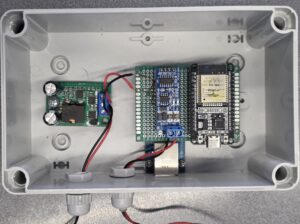
- Sustainable Storage: Beyond software, the team achieved significant hardware milestones by writing a new Battery Management System (BMS) that allows for the repurposing of old electric vehicle batteries into a high-capacity residential storage solution.
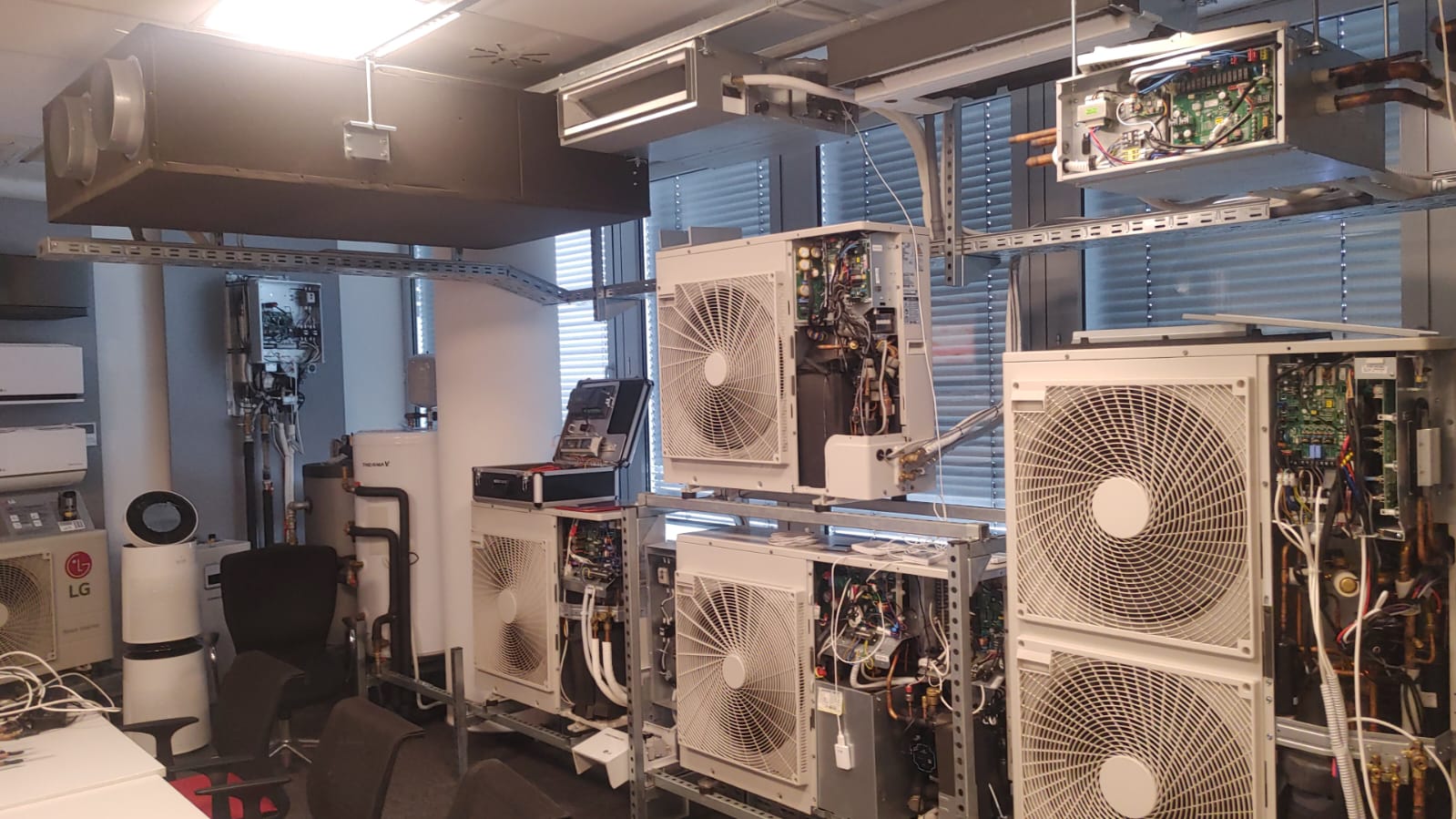
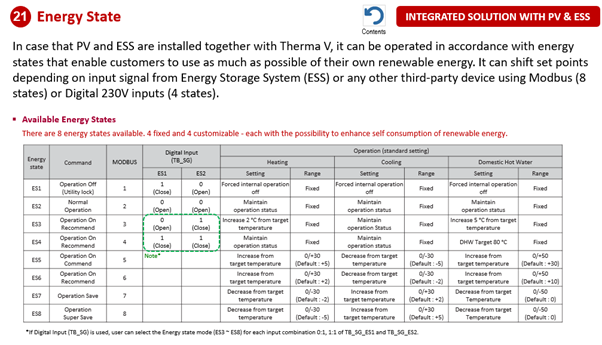
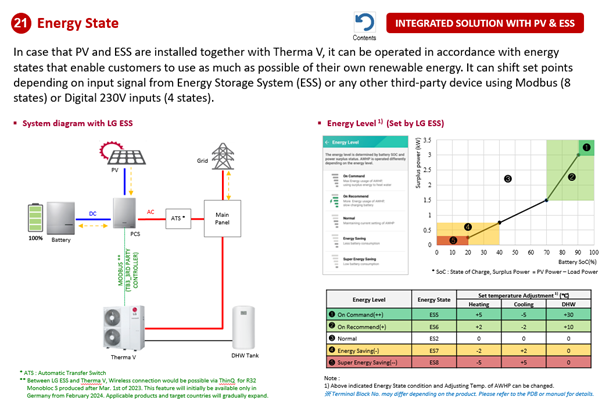
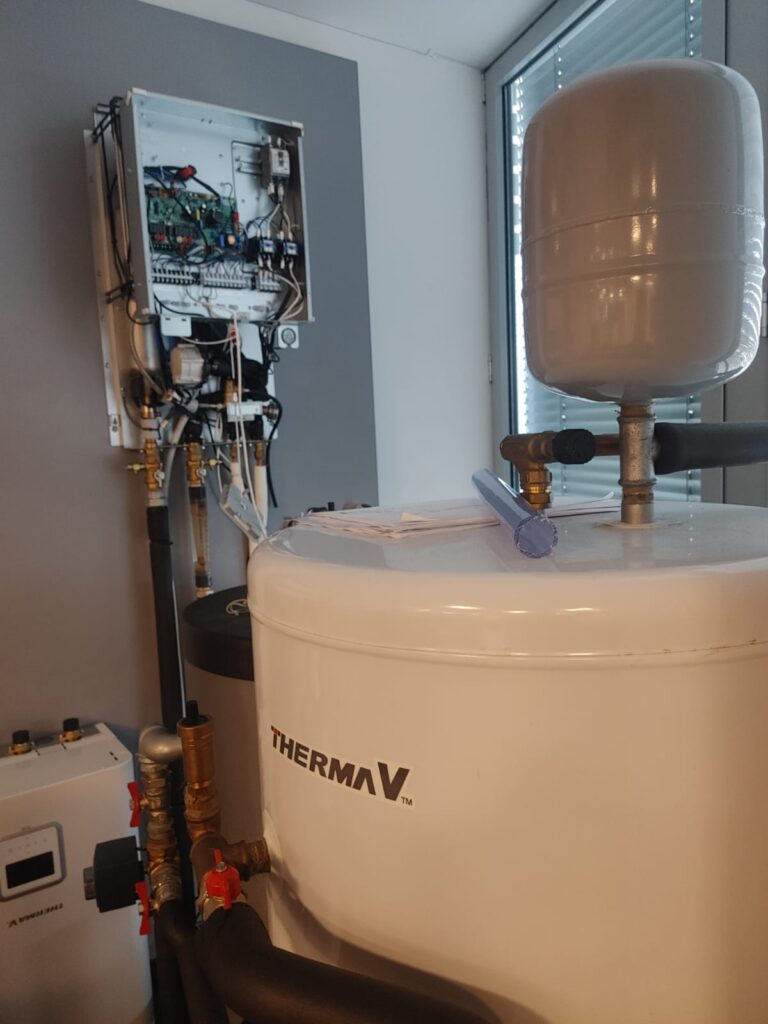
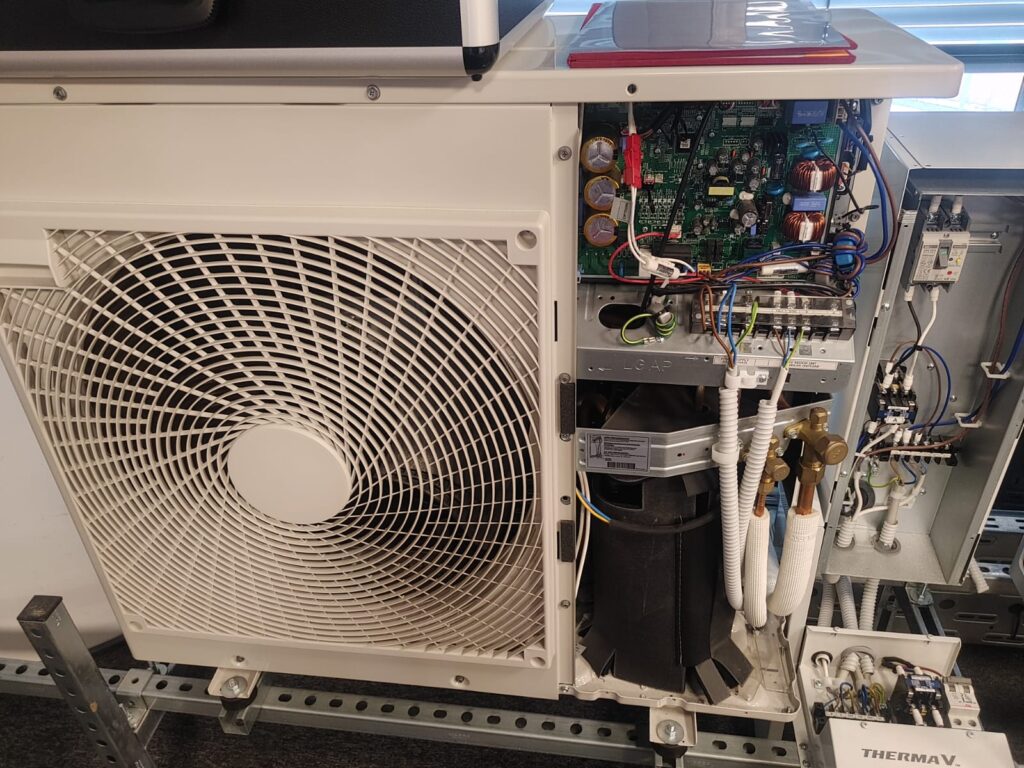
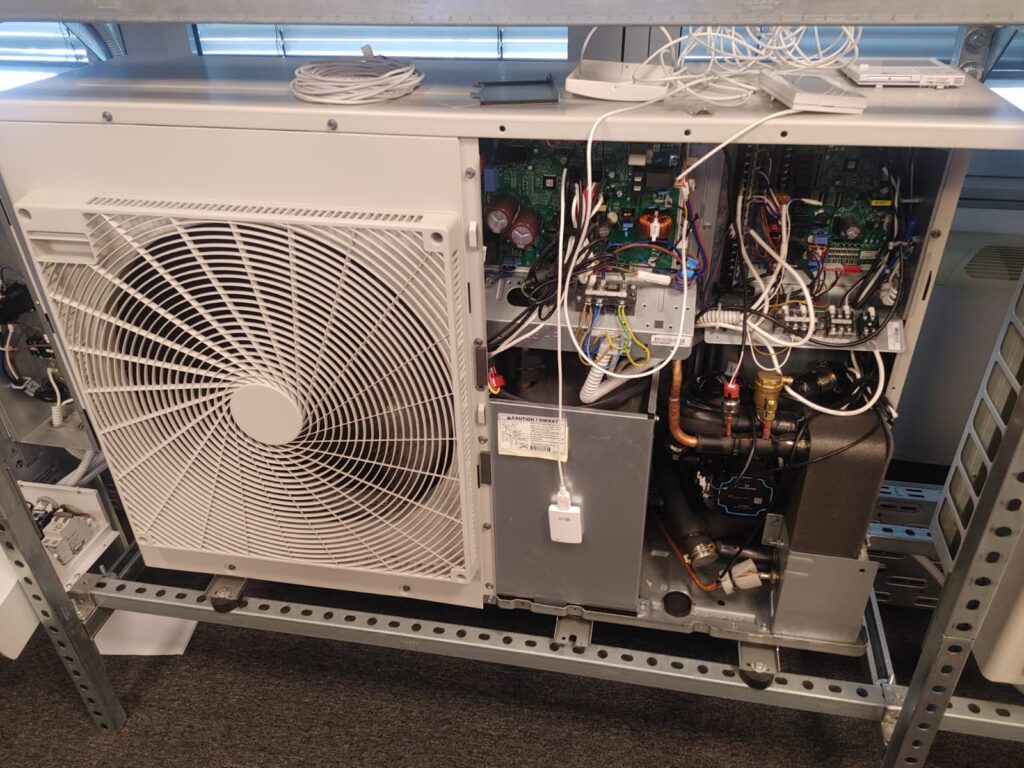
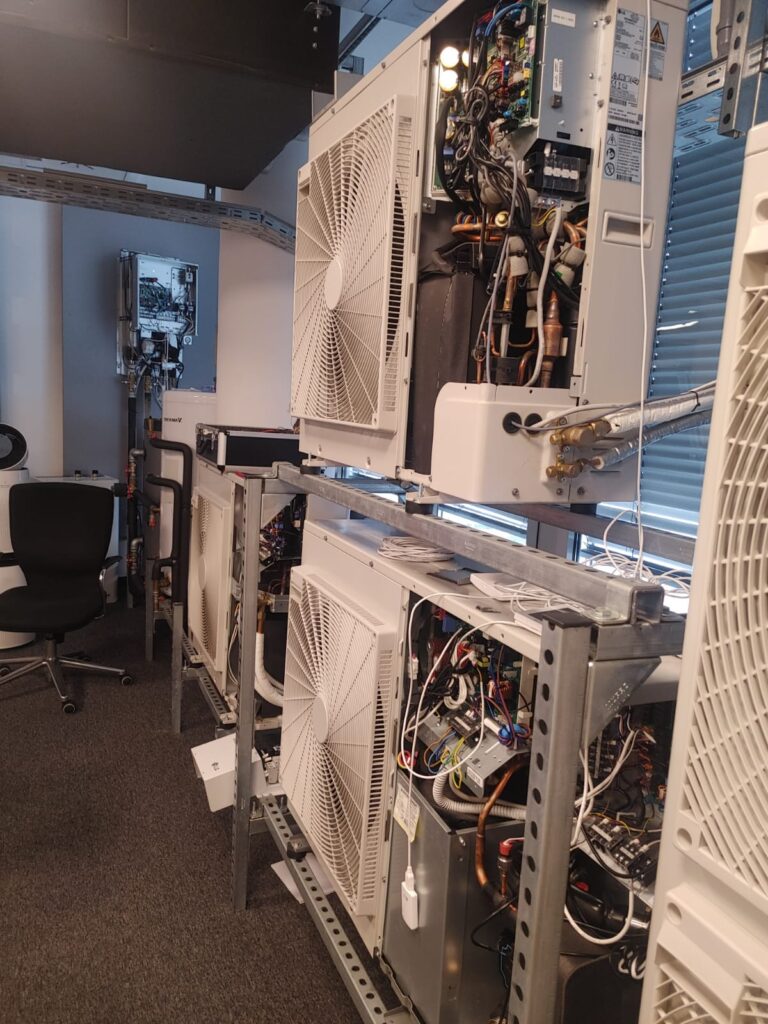
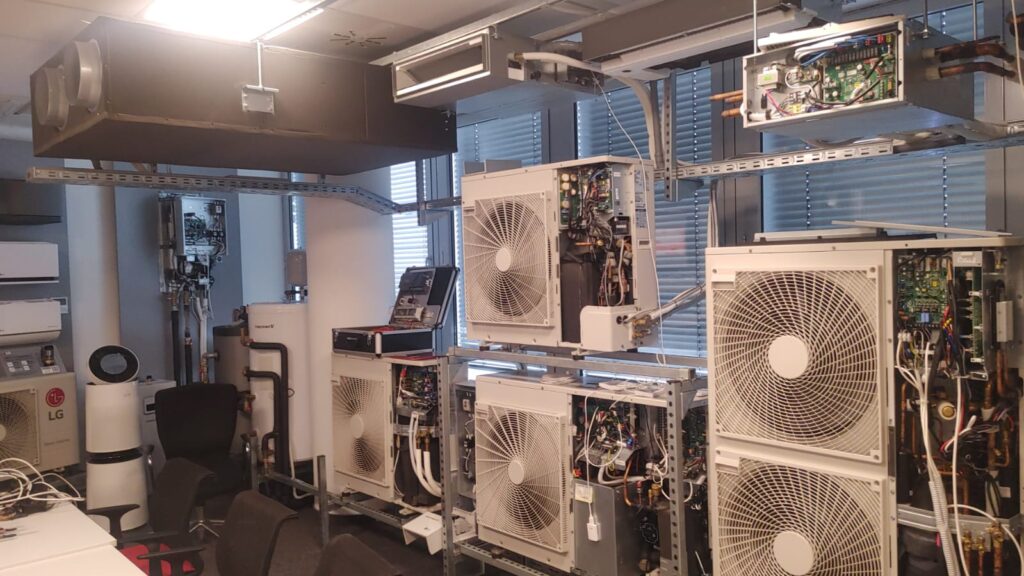
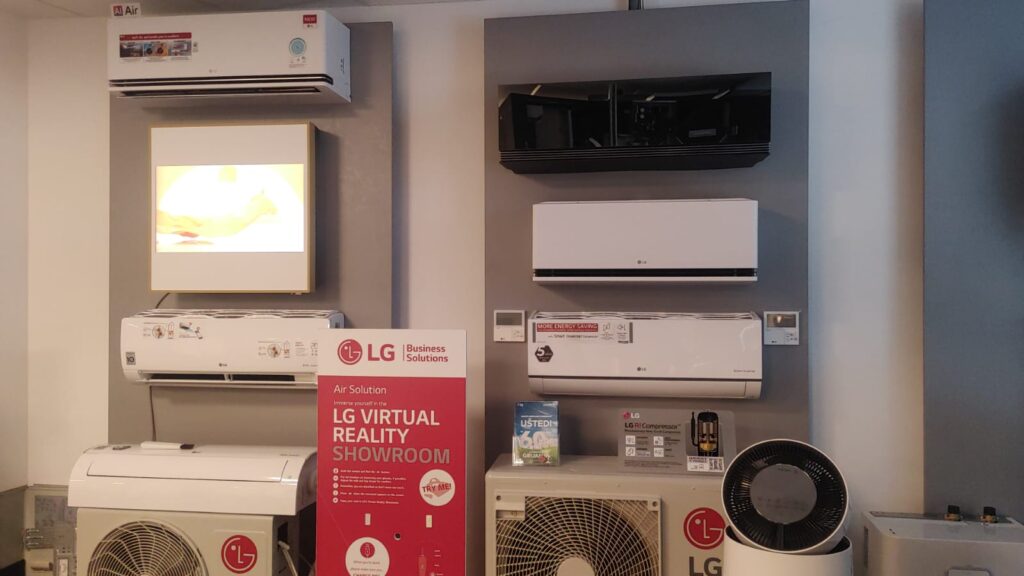
Smart Device Integration: The Croatian team also established Modbus communication with LG heat pumps and air conditioners to integrate them directly into the smart grid’s control logic. This integration is currently focused on enabling the grid to shift these appliances into various customizable energy states, such as “Energy Saving” or “Operation on Recommend,” based on input signals from the Energy Storage System or third-party controllers. By moving between these states, the system can enhance the self-consumption of renewable energy and dynamically balance the network load to prevent blackouts.
By establishing these structural and analytical foundations across Ireland, France, and Croatia, O-CEI Pilot 1 is creating a unified pathway toward fully automated flexibility control and a smarter European energy future.